>>

A slow-braised beef chuck roast enriched with red wine, aromatics, and root vegetables—tender, comforting, and perfect for family dinners.
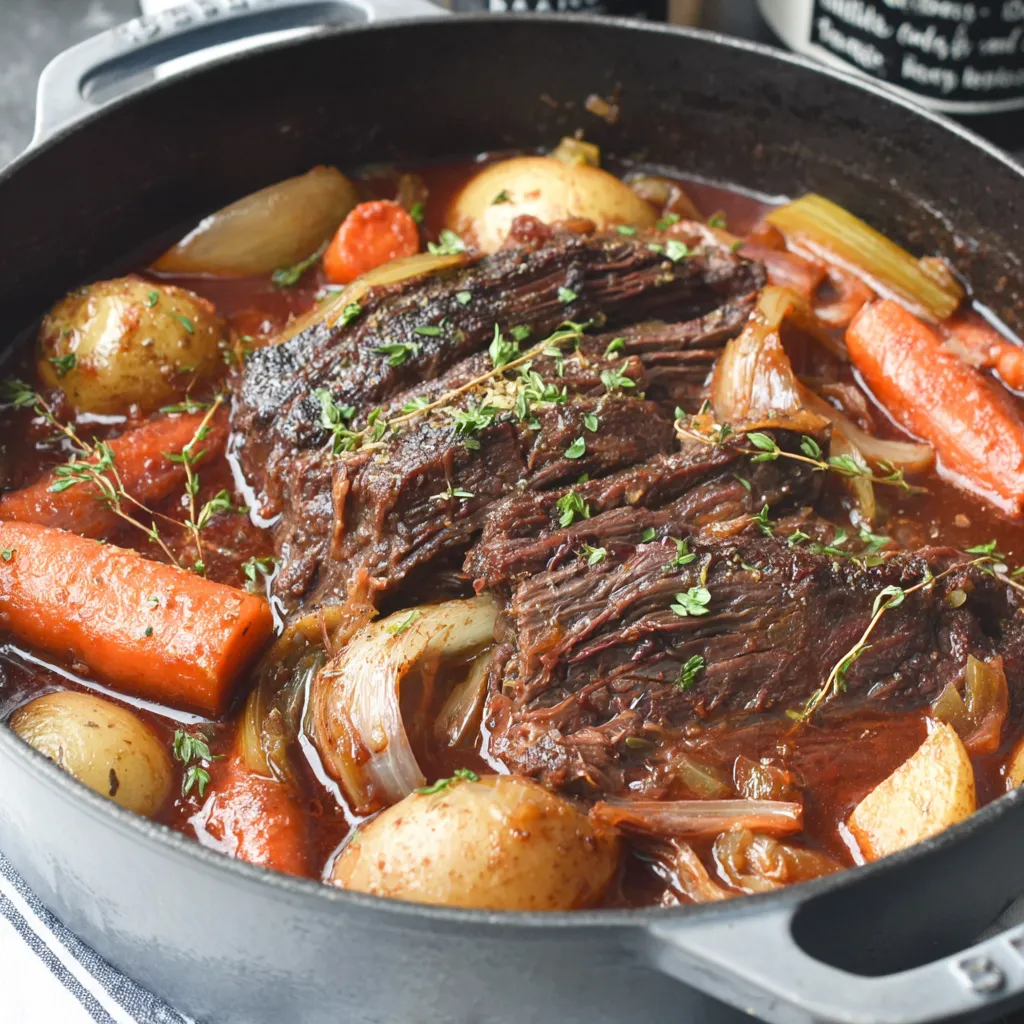
I first served this on an autumn weekend when friends were visiting, and the house filled with the warm, rich aroma of wine and caramelized onions. The roast was the quiet star of the evening—people reached for seconds and lingered over the gravy. Over time I refined the timing for adding vegetables and the exact searing window, and now it reliably produces the silky sauce and tender meat that the family insists on whenever the temperature drops.
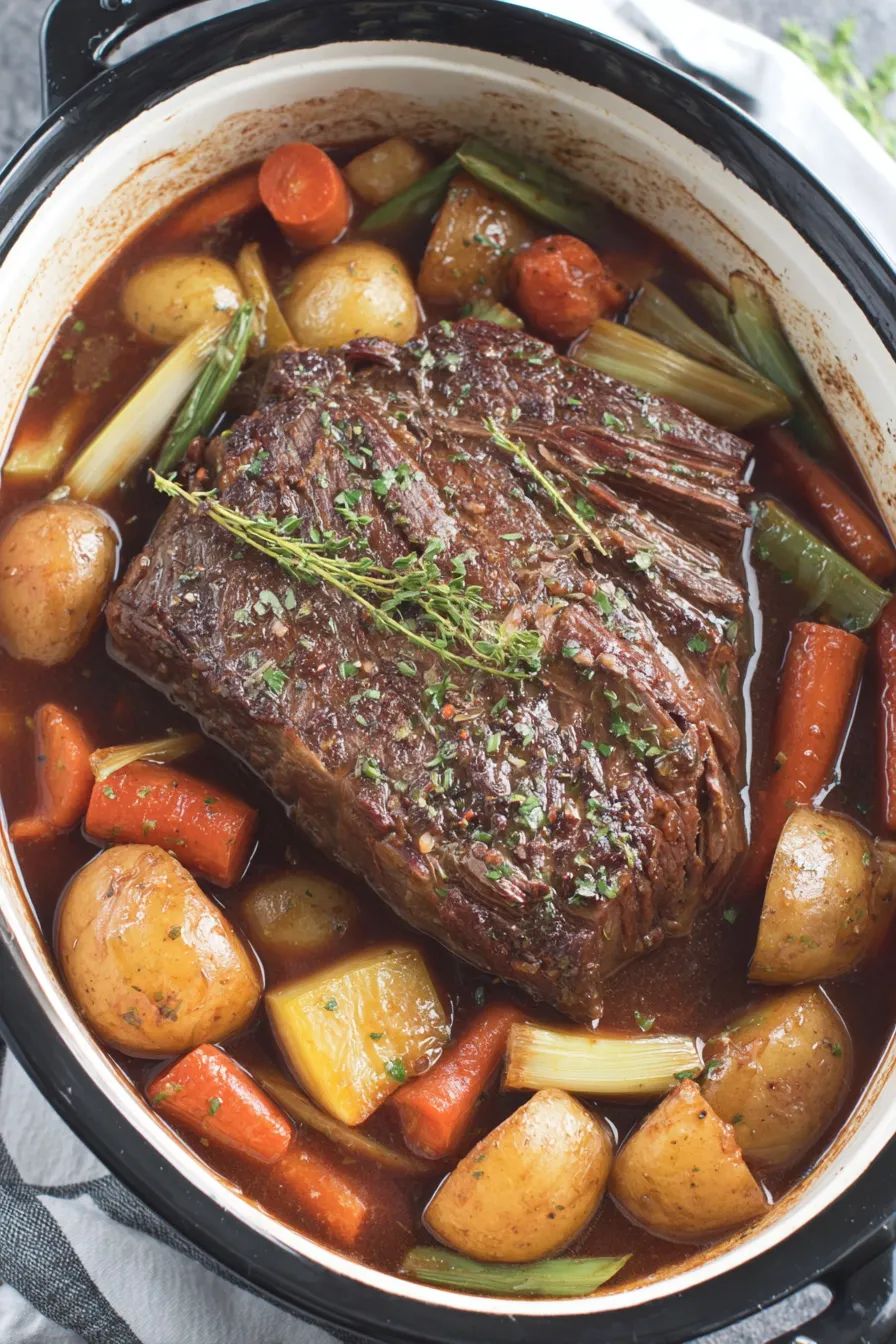
My favorite aspect is the way the kitchen fills with a layered aroma—wine, caramelized onions, and thyme—hours before the roast is ready. Long braising creates joyful moments: a quiet afternoon in the kitchen, the crack of the oven door releasing steam, and the inevitable smiles when the lid comes off. It’s the kind of meal that signals care and comfort.
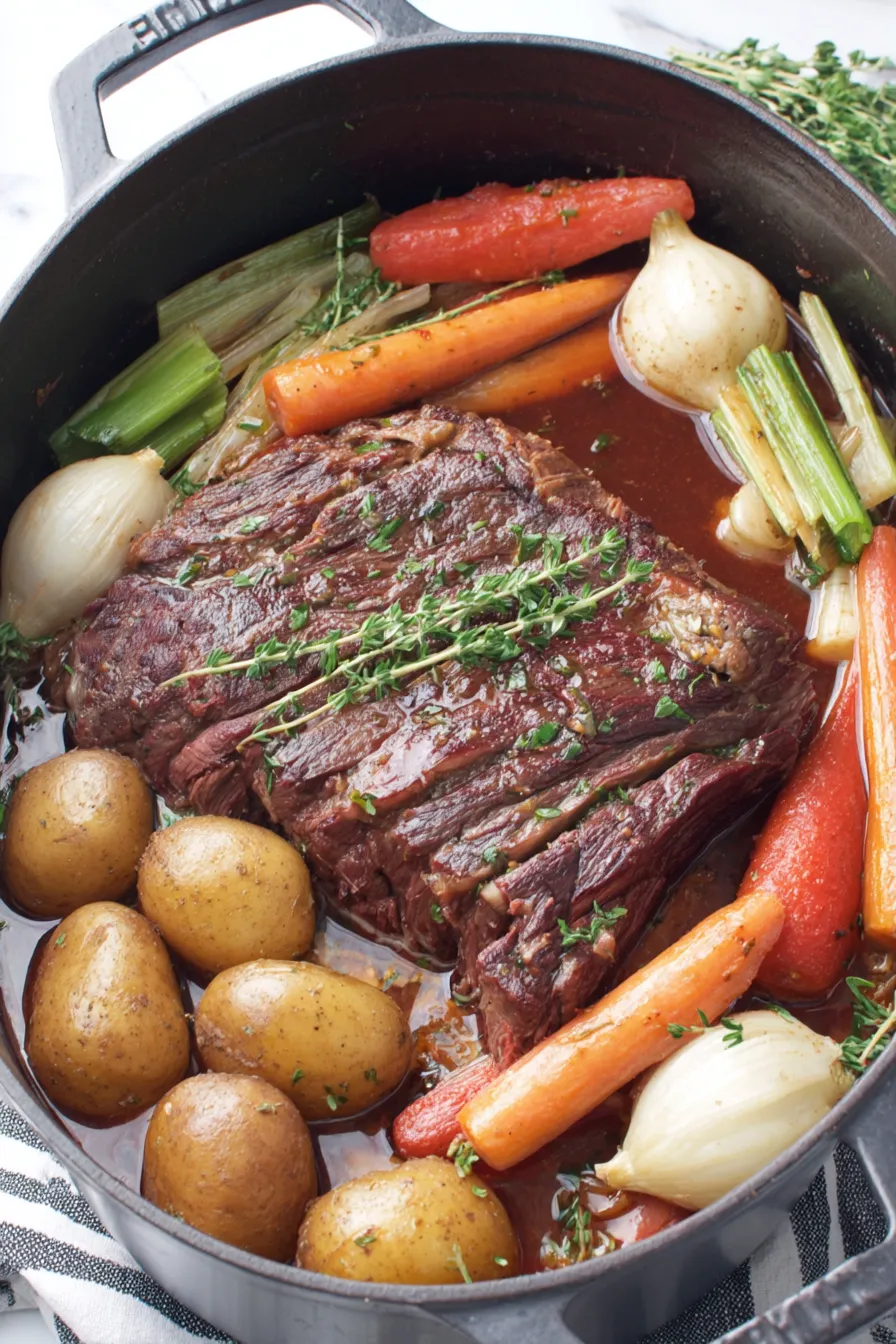
Cool the roast and vegetables to room temperature no longer than two hours after cooking, then refrigerate in shallow airtight containers. For best quality, use within four days. To freeze, portion into meal-sized containers with gravy and leave 1/2-inch headspace; freeze up to three months. Reheat gently in a low oven (300 degrees F) covered or on the stovetop over low heat, adding a splash of stock or water to loosen the sauce. Avoid microwaving for long periods as it can toughen the meat fibers.
If chuck roast is unavailable, a brisket or bottom round can work though they may require adjusted braise times; brisket will be fattier and more forgiving, while bottom round is leaner and can be slightly drier. Swap Yukon potatoes for red potatoes or fingerlings for similar texture. If you need a gluten-free finish, replace beurre manié with a cornstarch slurry—mix 1 tablespoon cornstarch with 1 tablespoon cold water and whisk into simmering liquid to thicken. Use low-sodium beef stock if you want tighter control over final seasoning.
Serve slices of the roast with a generous ladle of jus and a selection of the braised vegetables. For a classic plate, pair with creamy mashed potatoes or buttered egg noodles to absorb the gravy. Add a bright side of braised greens or a winter salad with lemon vinaigrette to cut the richness. For special occasions, present the roast on a wooden board and scatter fresh parsley and thyme for an attractive finish.
Slow-braised beef is a cornerstone of many Western home-cooking traditions; this American-style pot roast traces its roots to European braising techniques where cheaper, tougher cuts are transformed by long, moist heat. In the United States, the pot roast evolved as a practical family meal—economical, nourishing, and flexible—often cooked on weekends when time permitted slow cooking. The use of red wine, tomato paste, and a bouquet of herbs reflects a marriage of pantry staples with aromatic techniques borrowed from classic French cuisine.
In winter, favor root vegetables like rutabaga, parsnips, and carrots as written; for spring, substitute new potatoes and young carrots and finish with a handful of peas stirred in at the end. For holiday gatherings, add pearl onions and a splash of Madeira or fortified wine for a richer sauce. In warmer months, reduce the oven time slightly and focus on lighter sides, serving paper-thin slices with a fresh herb salad to balance the richness.
To prepare ahead, complete the roast through step of removing the meat, then cool and refrigerate the pot with liquids and vegetables separately. Reheat gently on the stovetop or in the oven, add the beurre manié to thicken, and finish with vinegar and Worcestershire to brighten flavors. Divide into individual portions for grab-and-go lunches; packed with vegetables and gravy, the reheated portions remain surprisingly satisfying. Use freezer-safe containers for longer storage and thaw overnight in the refrigerator before reheating.
There’s comfort in a pot that simmers all afternoon and brings everyone to the table. Make this roast your own—adjust the herbs and vegetables, experiment with finishing acids, and enjoy the ritual of slow cooking that turns simple ingredients into memorable meals.
Dry-salting the roast overnight concentrates flavor and improves searing.
Sear the meat in a very hot pan until a deep brown crust forms for maximum flavor.
Add hearty root vegetables with about 70 minutes remaining to avoid overcooking.
Use a heavy Dutch oven to maintain even temperatures and prevent scorching.
Balance the finished gravy with a small splash of vinegar to brighten flavors.
This nourishing classic pot roast recipe is sure to be a staple in your kitchen. Enjoy every moist, high protein slice — it is perfect for breakfast or as a wholesome snack any time.
Yes. After cooking, cool quickly, refrigerate in an airtight container, and use within 4 days. For longer storage, freeze up to 3 months.
Use a cornstarch slurry (1 tablespoon cornstarch + 1 tablespoon cold water) stirred into simmering liquid to thicken without gluten.
This Classic Pot Roast recipe makes perfectly juicy, tender, and flavorful steak every time! Serve with potatoes and a side salad for an unforgettable dinner in under 30 minutes.
Generously season the roast with coarse salt and place it on a rack over a sheet tray. Refrigerate uncovered for 12 to 48 hours to concentrate flavor and improve browning.
Remove roast about 30 minutes before cooking and season with freshly cracked black pepper on all sides to promote even cooking.
Heat olive oil in a heavy Dutch oven over high heat until it shimmers. Reduce to medium, add roast, and sear 3 to 4 minutes per side until a deep golden crust forms. Transfer to a plate.
Add onions and leeks, season with salt, and sauté for 4 to 6 minutes. Reduce to medium-low and cook an additional 10 minutes until well browned. Stir in garlic and cook 30 to 45 seconds.
Deglaze with 1/4 cup red wine, scraping up browned bits, and cook until absorbed. Stir in tomato paste and cook 2 to 3 minutes to remove raw tomato flavor.
Add remaining wine, beef stock, bay leaves, thyme, and parsley stems. Return roast to the pot, bring to a simmer, cover, and transfer to a 325°F oven.
Cook in the lower third of the oven for 3 1/2 to 4 hours until fork tender and approximately 200 to 210°F internal temperature is reached for pull-apart tenderness.
With about 70 minutes left, add potatoes, carrots, celery, parsnips, and rutabaga to the pot so they finish cooking alongside the meat.
Remove roast to rest. Make a beurre manié (softened butter + flour) and whisk into simmering braising liquid until thickened, about 3 to 5 minutes. Season with vinegar and Worcestershire to taste.
Return the roast to the pot briefly to rewarm or slice and arrange on a platter with vegetables. Spoon sauce over and garnish with minced parsley if desired.
Last Step: Please leave a rating and comment letting us know how you liked this recipe! This helps our business to thrive and continue providing free, high-quality recipes for you.
Leave a comment & rating below or tag
@whiskia on social media!
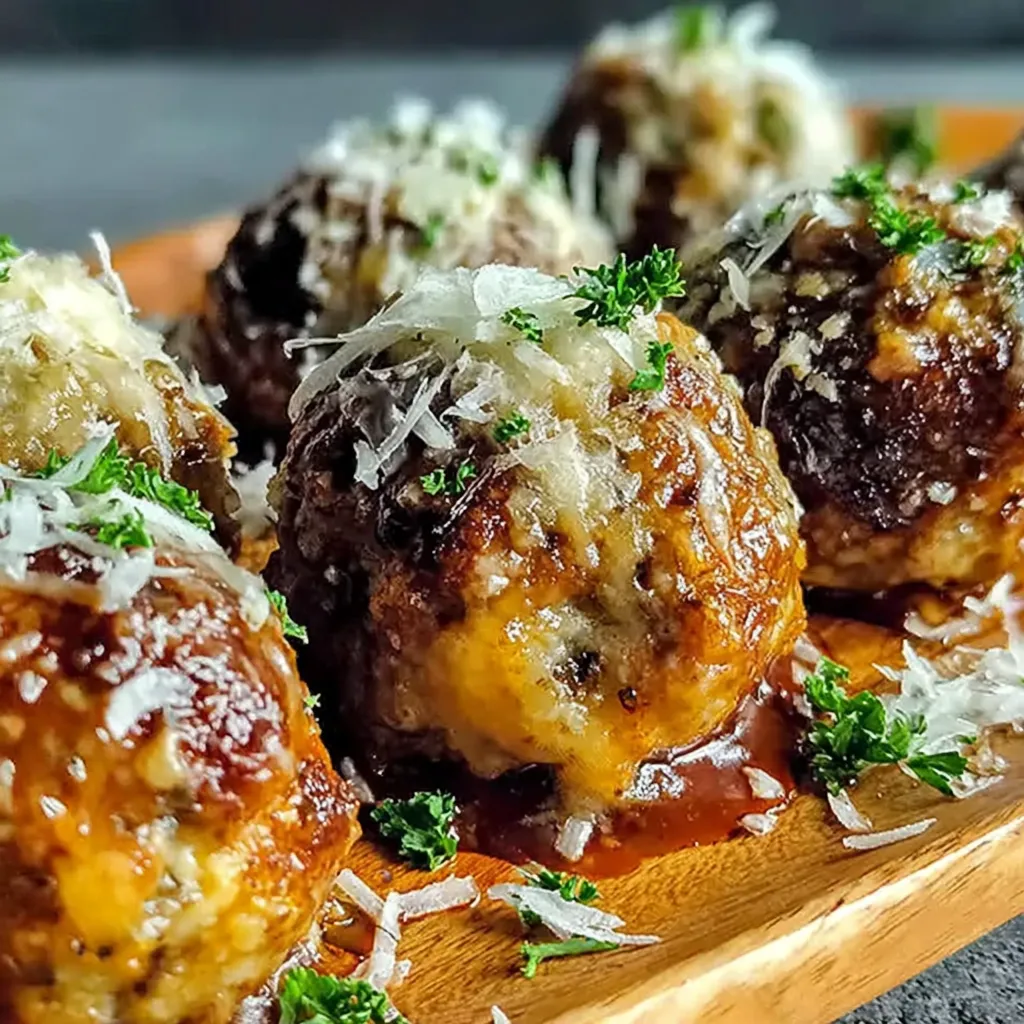
Tender, herb-laced meatballs baked to juicy perfection with Parmesan and garlic. Perfect over spaghetti, tucked into subs, or served with favorite dips.
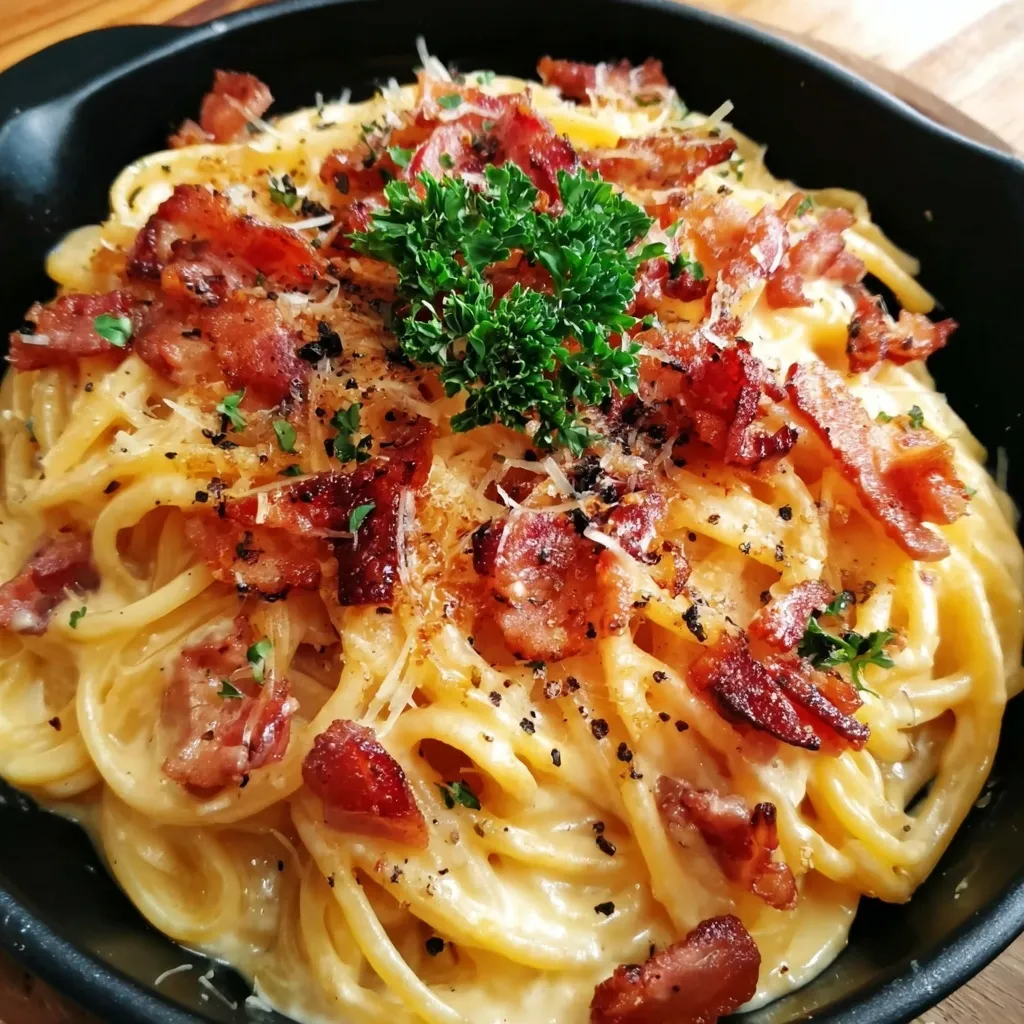
Creamy, silky carbonara with smoky bacon, peppery bite, and perfectly coated spaghetti. Ready in 25 minutes for a comforting, crowd-pleasing dinner.

A rich, silky garlic pasta made in one pan with milk and Parmesan for a fast, comforting dinner that is ready in about 20 minutes.
Leave a comment & rating below or tag @whiskia on social media!
Enjoyed this recipe? Share it with friends and family, and don't forget to leave a review!
This recipe looks amazing! Can't wait to try it.
Comments are stored locally in your browser. Server comments are displayed alongside your local comments.

Join to receive our email series which contains a round-up of some of our quick and easy family favorite recipes.