>>

A fragrant, rustic loaf studded with cranberries, raisins, and walnuts and swirled with cinnamon. Long fermentation and a hot Dutch oven deliver a crisp crust and tender crumb.
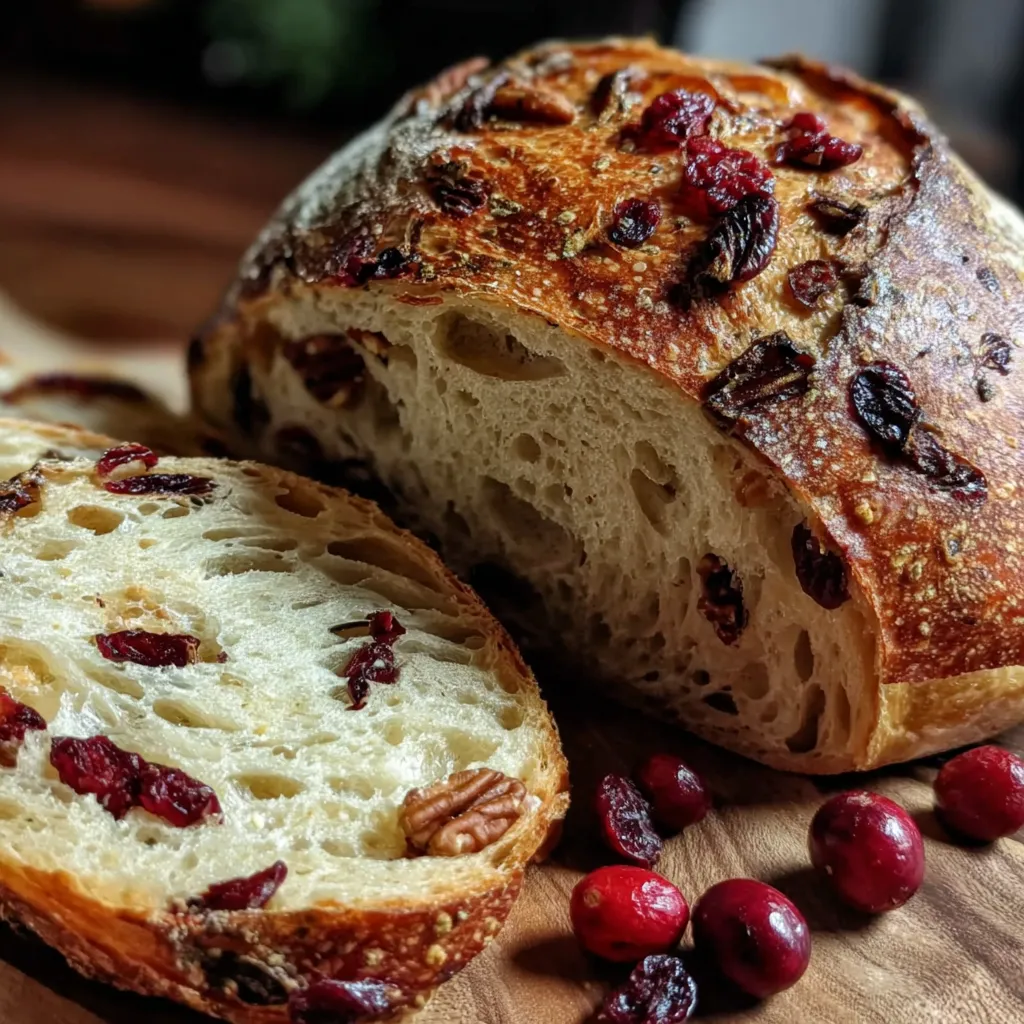
This cranberry raisin walnut cinnamon loaf began as an experiment on a rainy weekend when I had a head of flour, a jar of honey, and a lonely bag of dried fruit. The result was an unexpected star at the table. The crust shatters gently, revealing a soft, slightly chewy interior threaded with bursts of tart cranberry, sweet raisin, crunchy walnut, and the warm background perfume of cinnamon. I keep a copy clipped to my kitchen calendar as a reliable treat for brunch, holiday mornings, or a comforting gift when I need to bring something homemade to friends.
I first discovered this combination while adapting a simple no-knead method that emphasizes time and temperature rather than elbow grease. The long rise develops flavor and structure; a cold overnight rest firms the dough so it can be shaped easily; and the hot, lidded Dutch oven mimics a steam oven, giving the crust a glossy blistered finish. It is forgiving for bakers who are new to artisan techniques yet rewarding for experienced hands who appreciate small adjustments that make a marked difference in texture and aroma.
On the first loaf I baked, my family circled the kitchen, commenting on both the smell and the crunch. My sister said it reminded her of old-fashioned nut bread from her grandmother, and my partner could not stop reaching for another slice. Baking this loaf became a weekend ritual, and I now keep extra dried fruit and walnuts on hand so I can pull one together whenever the mood strikes.
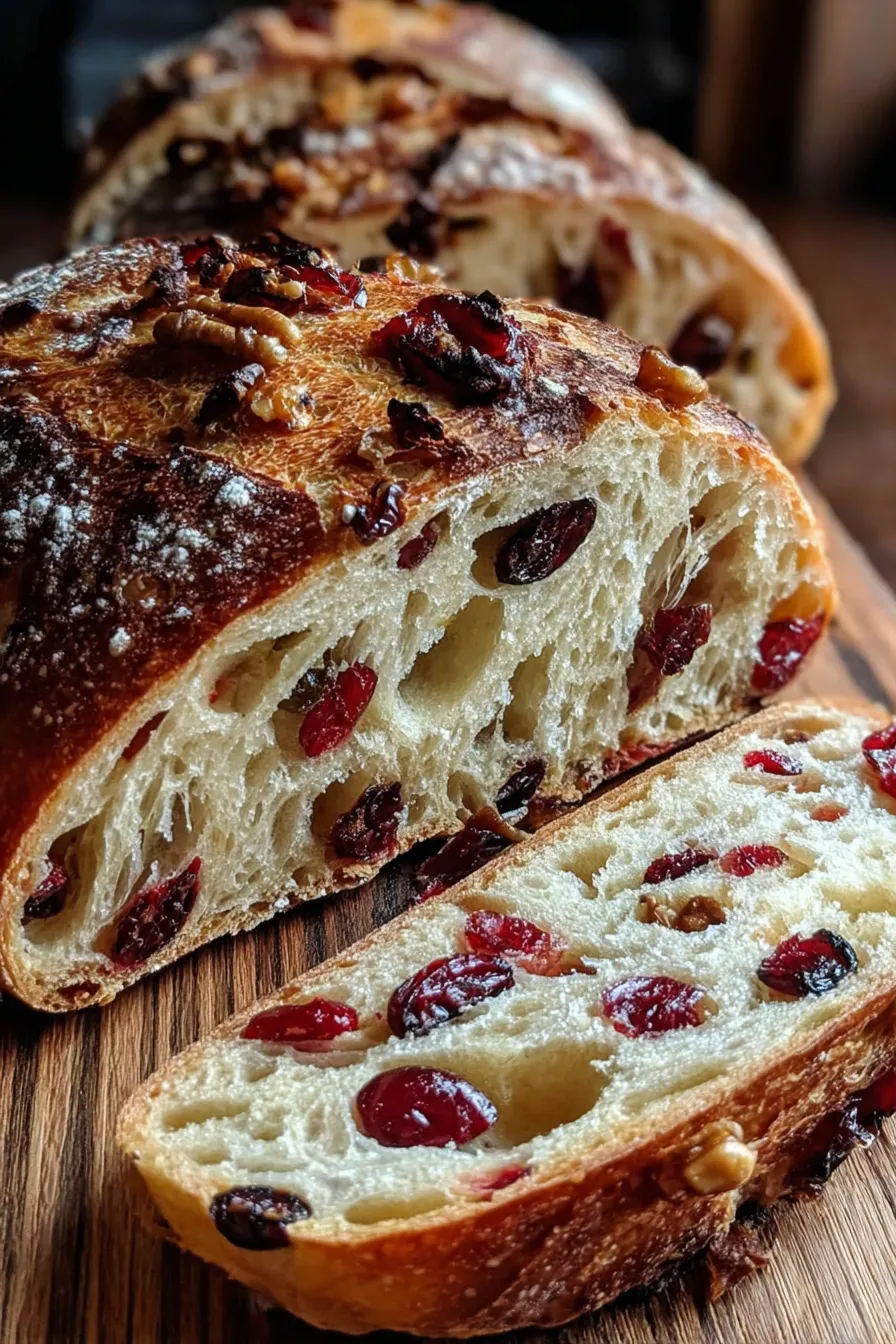
My favorite aspect is how the tartness of cranberries lifts the honeyed crumb and counters the walnut richness. Once, I brought this loaf to a neighbor who was recovering from surgery; she called the next day to say the scent and flavor had brightened her week. Baking it has become my way of marking quiet celebrations and ordinary mornings alike.
Store the cooled loaf at room temperature wrapped loosely in a clean tea towel for up to two days to preserve the crust. For longer storage, slice and freeze in an airtight container. To refresh frozen slices, toast directly from frozen or warm in a 350 degrees F oven for 8 to 12 minutes. Avoid refrigeration as it accelerates staling and dries the crumb.
Swap honey for maple syrup at a one to one ratio for a different sweet note, though the flavor will be slightly less floral. Replace walnuts with pecans or chopped hazelnuts for a change in texture and aroma. For a heartier loaf, use 1 1/2 cups bread flour and 1 1/2 cups whole wheat flour; expect a denser crumb and increase hydration by about 1 to 2 tablespoons if needed.
Serve thick slices with salted butter or cream cheese for brunch. For a savory contrast, pair with sharp cheddar or soft goat cheese and a drizzle of honey. This loaf also makes excellent French toast; soak slices in an egg and milk mixture and pan-fry until crisp. Garnish with orange zest or a smear of mascarpone for a festive brunch board.
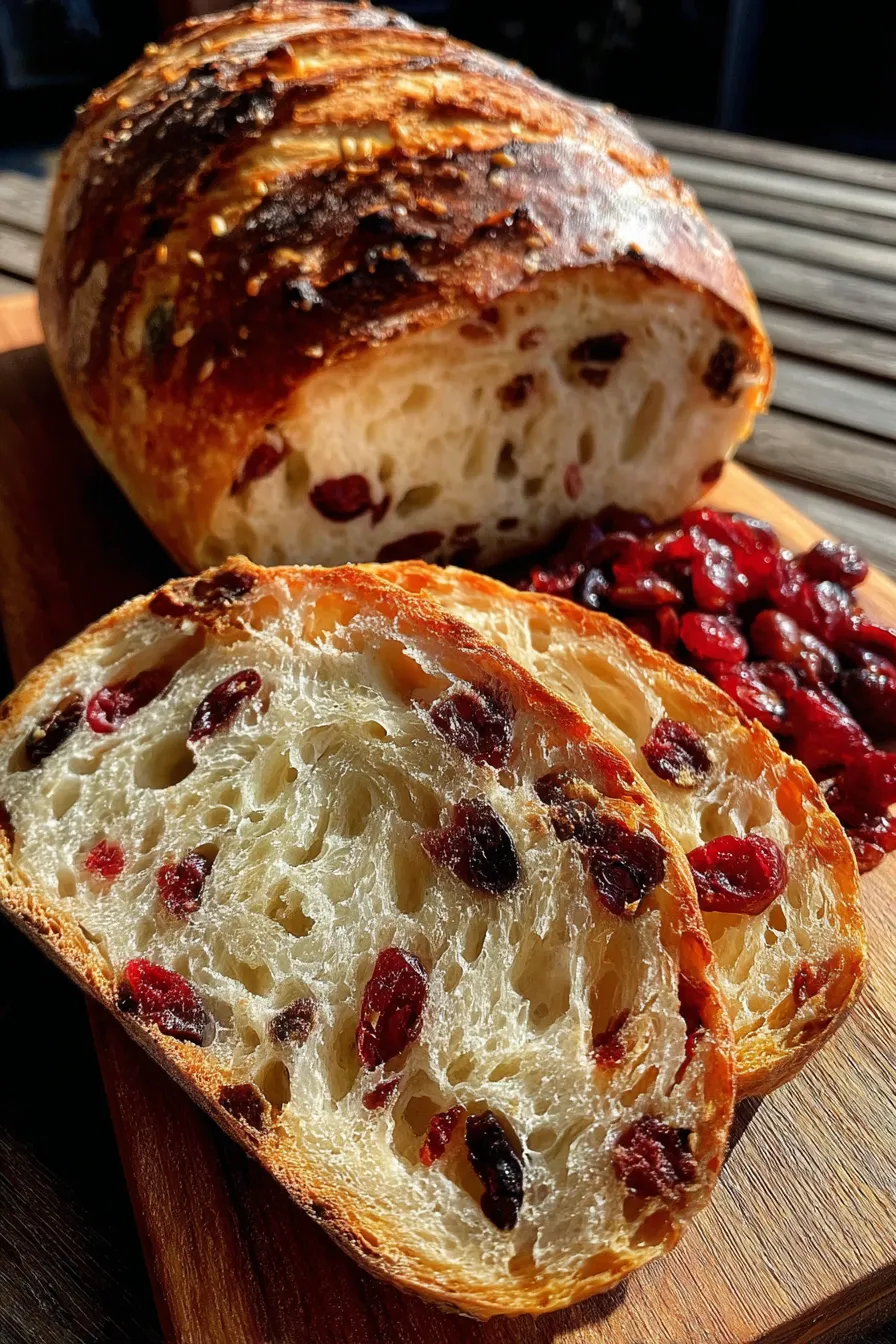
Fruit and nut loaves have roots in many culinary traditions, from Eastern European nut breads to British tea loaves. This version leans on American artisan baking techniques that emphasize long fermentation and a high-heat bake. The combination of dried fruit, warming spices, and nuts recalls holiday nut breads while remaining at home on a casual breakfast table.
In winter, add a tablespoon of orange zest and swap some cranberries for chopped candied orange peel for a festive note. In autumn, fold in a handful of toasted pumpkin seeds and a pinch of nutmeg. For spring, consider using dried cherries and sliced almonds to lighten the flavor profile. These simple swaps adjust the loaf to suit seasonal produce and celebrations.
Make the dough in the evening, let it bulk ferment overnight, shape and refrigerate, then bake the next morning for fresh bread with minimal morning effort. Slice and portion the loaf into single-serve bags for grab-and-go breakfasts. Toast slices and freeze for quick weekday lunches or use slices for bread pudding to repurpose older loaves.
Enjoy the process as much as the loaf itself. The ritual of mixing, waiting, and smelling the first oven-fresh slice is one of the quiet joys of home baking, and this bread rewards patience with flavor and texture that feels lovingly crafted.
If your kitchen is cool, extend the bulk rise to 10 to 12 hours; look for bubbles and a roughly doubled volume rather than strictly following the clock.
Toast walnuts briefly in a dry skillet before adding for deeper flavor without changing hydration.
Score the loaf just before baking and use a sharp blade for a clean cut; this helps the loaf expand predictably.
Use parchment to transfer the loaf into the Dutch oven to avoid burns and ease handling.
This nourishing cranberry raisin walnut cinnamon artisan bread recipe is sure to be a staple in your kitchen. Enjoy every moist, high protein slice — it is perfect for breakfast or as a wholesome snack any time.
This Cranberry Raisin Walnut Cinnamon Artisan Bread recipe makes perfectly juicy, tender, and flavorful steak every time! Serve with potatoes and a side salad for an unforgettable dinner in under 30 minutes.
Stir water and honey, sprinkle yeast over the surface, and let rest 5 to 10 minutes until foamy to confirm yeast activity.
Whisk flour, salt, and cinnamon in a large bowl, keeping salt distributed to avoid direct contact with yeast.
Pour the foamy liquid into the dry mix and stir until a hydrated, slightly sticky dough forms. Do not overmix.
Cover and let the dough rise at room temperature for 8 to 10 hours until aerated and roughly doubled.
Gently fold cranberries, raisins, and chopped walnuts into the dough using wet hands to avoid sticking and deflation.
Pre-shape and tighten a boule, place seam-side up in a floured banneton or bowl, cover, and refrigerate overnight.
Preheat a lidded Dutch oven to 450 degrees F. Turn chilled dough onto parchment, score, and transfer to the hot vessel. Bake covered 30 minutes, then uncovered 15 to 20 minutes.
Allow the loaf to cool at least one hour before slicing to let the crumb set and ensure a non-gummy texture.
Last Step: Please leave a rating and comment letting us know how you liked this recipe! This helps our business to thrive and continue providing free, high-quality recipes for you.
Leave a comment & rating below or tag
@whiskia on social media!

Tender, herb-laced meatballs baked to juicy perfection with Parmesan and garlic. Perfect over spaghetti, tucked into subs, or served with favorite dips.
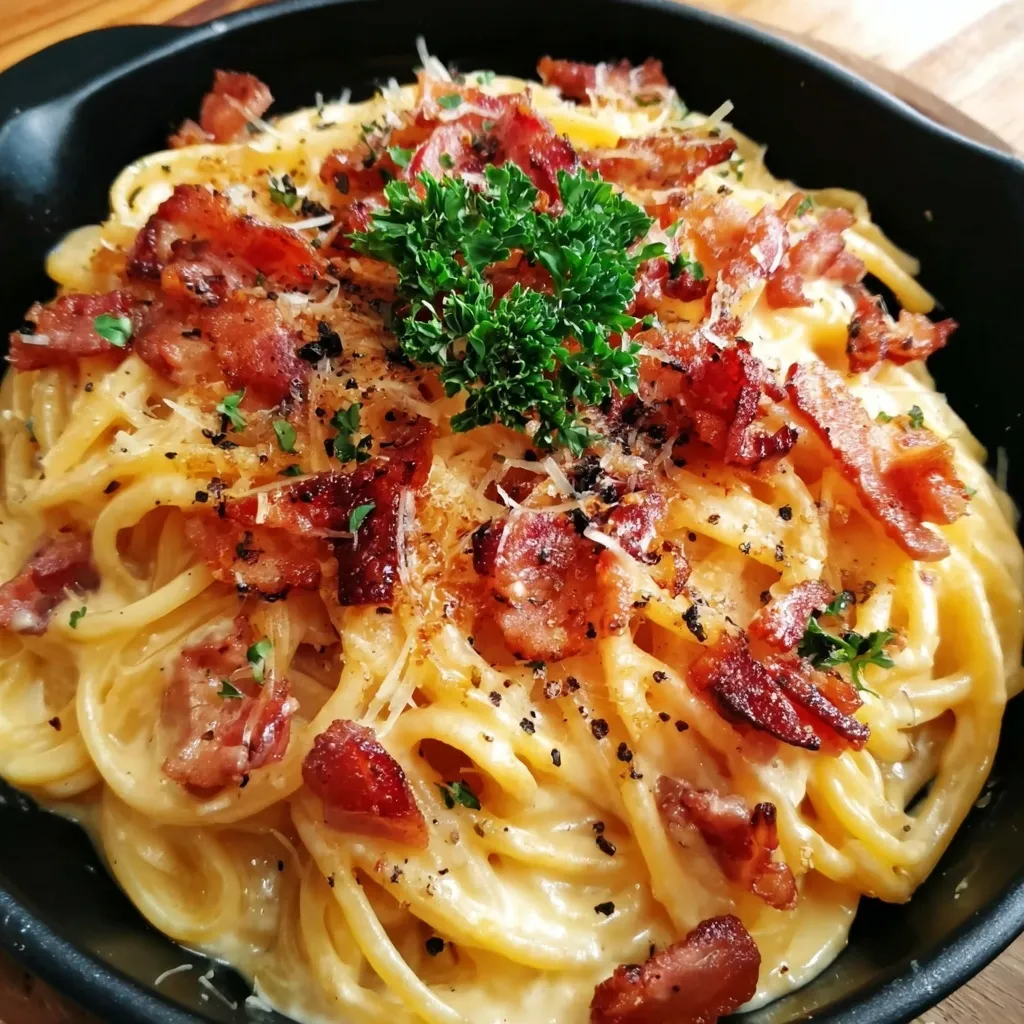
Creamy, silky carbonara with smoky bacon, peppery bite, and perfectly coated spaghetti. Ready in 25 minutes for a comforting, crowd-pleasing dinner.

A rich, silky garlic pasta made in one pan with milk and Parmesan for a fast, comforting dinner that is ready in about 20 minutes.
Leave a comment & rating below or tag @whiskia on social media!
Enjoyed this recipe? Share it with friends and family, and don't forget to leave a review!
This recipe looks amazing! Can't wait to try it.
Comments are stored locally in your browser. Server comments are displayed alongside your local comments.

Join to receive our email series which contains a round-up of some of our quick and easy family favorite recipes.