>>

Seared pork medallions simmered in a silky white wine and cream sauce—an elegant weeknight main that comes together in under 30 minutes.
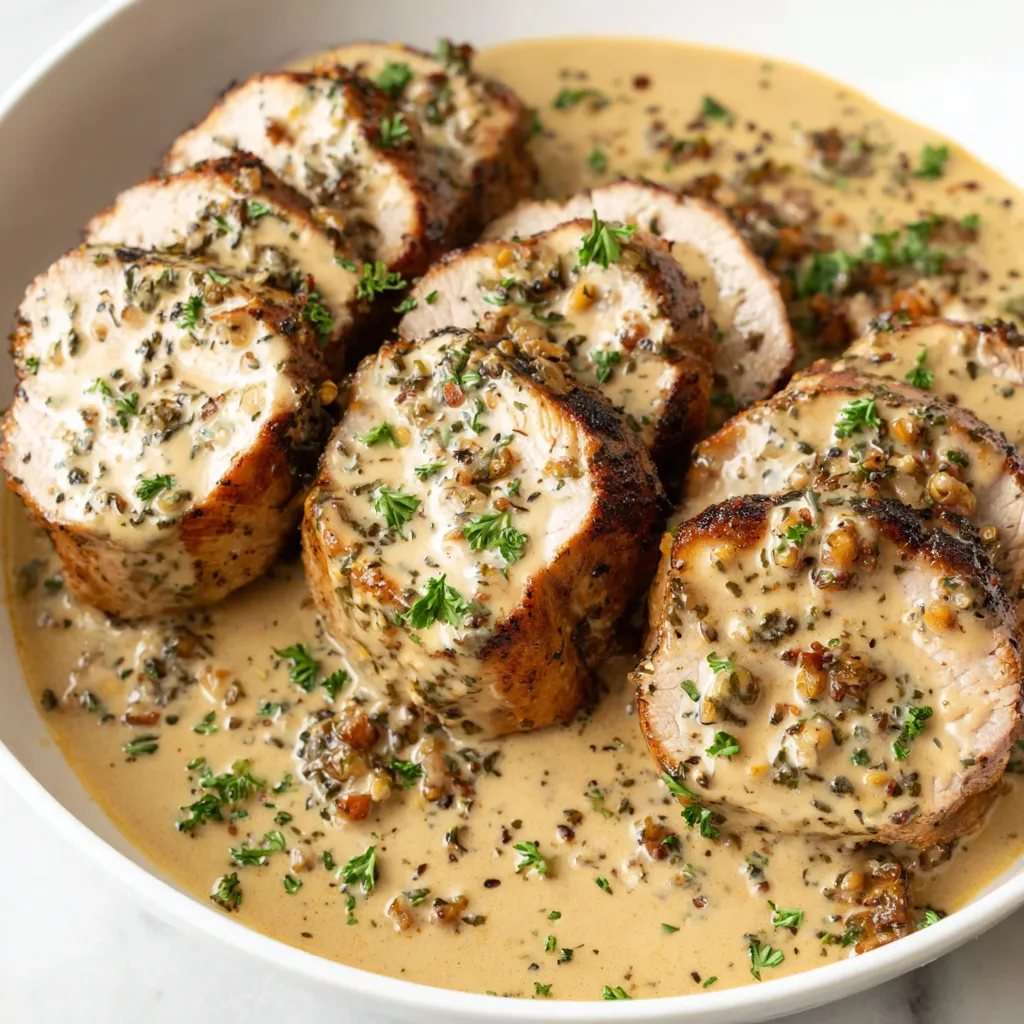
In my kitchen this recipe quickly became a comfort-meets-company staple. My partner remembers the first time I made it—he declared it "restaurant-level" and told everyone who visited. The bright wine lift with the silky cream always earns compliments; it’s one of those recipes that feels indulgent without a lot of fuss.
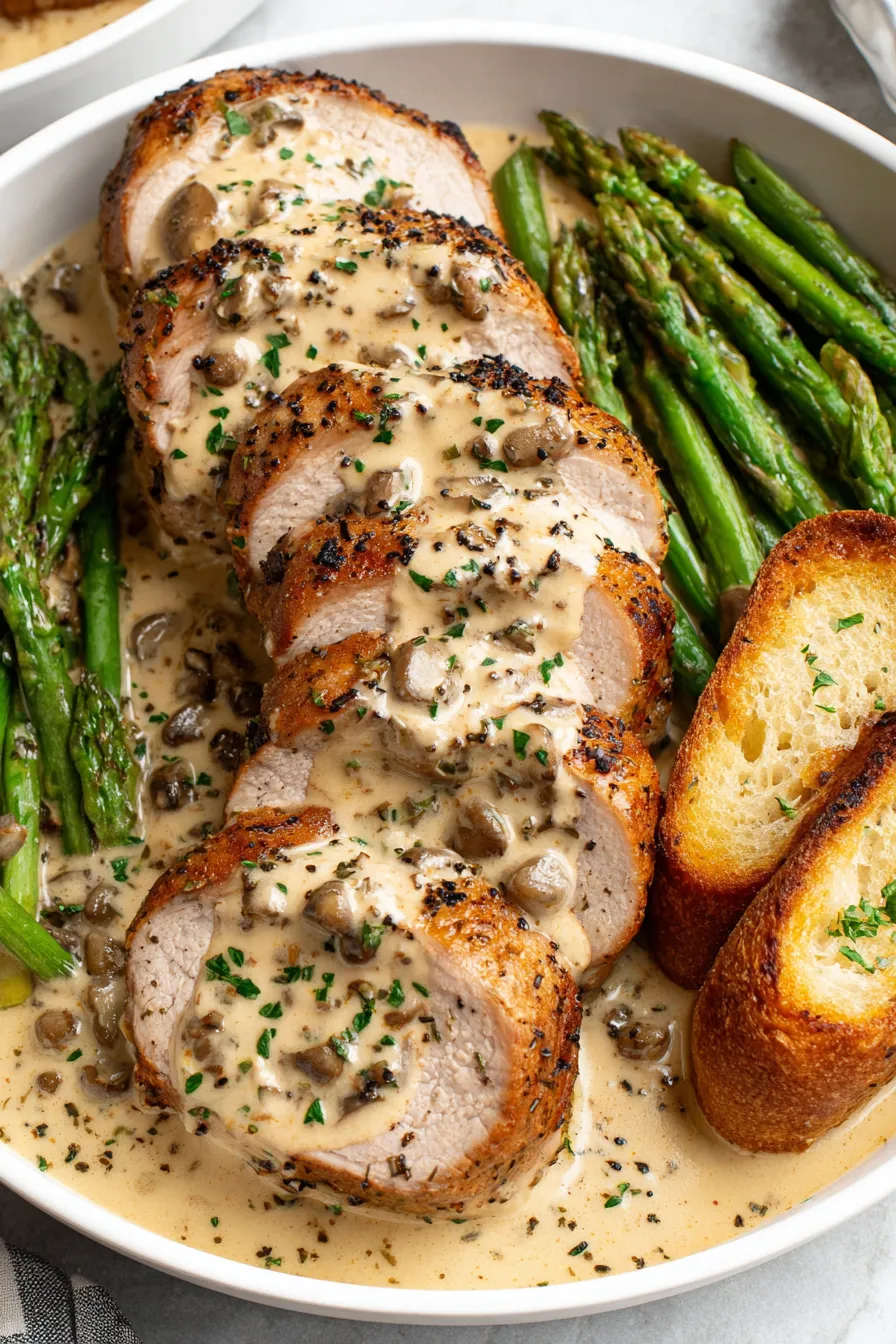
My favorite thing about this dish is how quickly it elevates simple ingredients. The combination of seared meat, a bright wine reduction, and a creamy finish makes it feel celebratory even on a Tuesday. It’s one of those meals that draws people into the kitchen; I have vivid memories of family members hovering with forks while I plated because the aroma is irresistible.
Cool leftovers to room temperature within two hours and transfer to a shallow airtight container. Refrigerate for up to three days; reheat on the stovetop over low heat with a splash of broth to loosen the sauce and prevent curdling. For freezing, portion the pork and sauce separately: freeze the pork in a single layer on a tray until solid, then transfer to freezer bags; freeze the sauce in a separate container. Thaw overnight in the refrigerator and reheat gently. Avoid microwave reheating at high power, which can break the emulsion in the cream.
If you need lighter ingredients, substitute half-and-half for heavy cream, but expect a slightly thinner sauce and shorter simmer to avoid separation. For a dairy-free version use an unsweetened plant-based cream (oat or coconut) and reduce heat when finishing. If you prefer not to use alcohol, replace the white wine with an equal amount of extra chicken broth plus 1 tablespoon lemon juice to mimic acidity. You can swap cornstarch for an equal amount of arrowroot for a clearer finish.
Serve the medallions over creamy mashed potatoes, buttered egg noodles, or a bed of polenta to soak up the sauce. A crisp green vegetable—steamed broccolini, roasted asparagus, or a light arugula salad—provides contrast. Garnish with extra chopped parsley and a twist of lemon zest to brighten the plate. For a cozy dinner, pair with a chilled glass of the same dry white wine used in cooking.
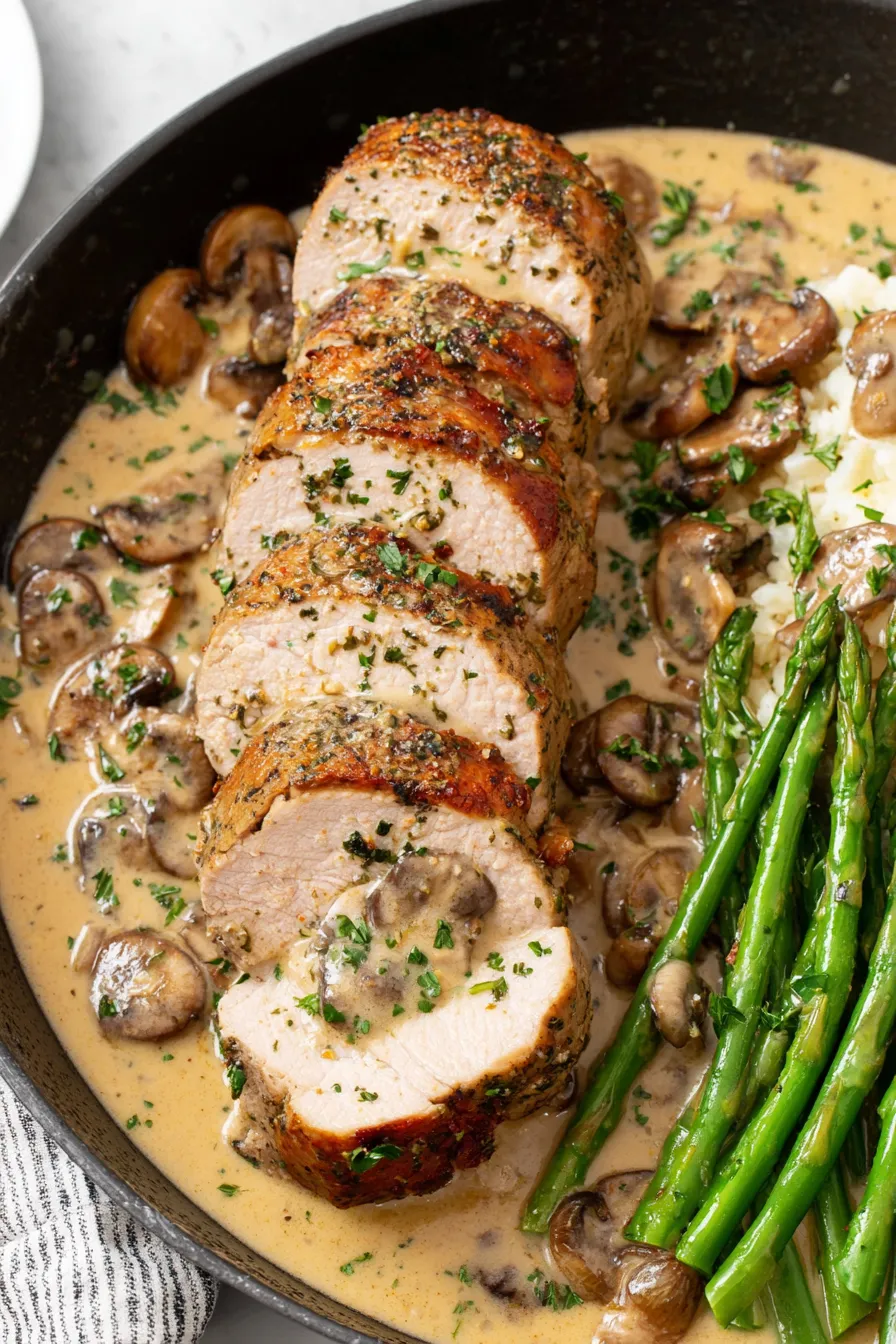
This style of pan-seared meat with a wine and cream reduction is common across European home cooking, influenced by French bistro techniques. Using wine to deglaze a pan and incorporate browned fond is a classic technique that creates complex flavor quickly. The combination of pork and cream appears in regional adaptations across France and Northern Italy, where rich dairy and simple herbs turn modest cuts into comforting mains.
In spring and summer, brighten the sauce with a squeeze of lemon and finish with chopped chives or tarragon. For autumn, add a splash of apple cider in place of part of the wine and fold in a spoonful of grainy mustard for deeper rustic notes. During winter holidays, a pinch of nutmeg and a handful of roasted mushrooms incorporated into the sauce provide earthy warmth without overwhelming the tender pork.
For make-ahead convenience, sear all medallions, cool, and store them in the refrigerator. Prepare the reduced wine and broth base in advance (without adding cream) and refrigerate. When ready to serve, warm the base, stir in cream and slurry, return the pork to the pan, and finish for 3–5 minutes. This approach cuts evening hands-on time to under 10 minutes while preserving texture and flavor.
At its heart this recipe is about balance—crispy seared edges, a velvety sauce, and a pop of fresh herbs. It’s approachable for cooks of any level and has a track record of turning casual dinners into memorable meals. Give it a try the next time you want something that feels a little special without a lot of work.
Pat the pork dry before searing to ensure a golden crust and better fond for the sauce.
Use a digital thermometer to pull the pork at 145°F; it will rest and rise a few degrees while staying juicy.
Reduce the wine by more than half before adding cream to concentrate flavor and prevent a thin sauce.
If the sauce starts to separate while reheating, whisk in a tablespoon of cold broth to smooth it.
This nourishing creamy white wine pork tenderloin recipe is sure to be a staple in your kitchen. Enjoy every moist, high protein slice — it is perfect for breakfast or as a wholesome snack any time.
This Creamy White Wine Pork Tenderloin recipe makes perfectly juicy, tender, and flavorful steak every time! Serve with potatoes and a side salad for an unforgettable dinner in under 30 minutes.
Trim excess fat and silver skin from the pork tenderloin. Slice the tenderloin into 1-inch-thick medallions. Pat dry with paper towels and season both sides generously with salt and freshly ground black pepper.
Heat a large skillet over medium-high heat. Add 1 tablespoon olive oil and 1 tablespoon butter. When the butter foams but does not burn, add pork in a single layer and sear 3 minutes per side until golden brown. Transfer to a plate and tent with foil.
Reduce heat slightly, add minced garlic and 1/4 teaspoon Italian seasoning, and cook for 20–30 seconds. Pour in 1/2 cup dry white wine and 1/4 cup chicken broth, scraping brown bits from the pan. Allow to bubble and reduce by more than half, about 3–5 minutes.
Mix 1 teaspoon cornstarch with 2 teaspoons cold water to form a slurry. Add 3/4 cup heavy cream to the pan, then whisk in the slurry. Stir until the sauce bubbles and thickens slightly, keeping heat at medium to avoid splitting.
Return pork to the skillet and simmer gently for 3–5 minutes until pork reaches 145°F and the sauce coats the back of a spoon. Adjust seasoning with salt and pepper and sprinkle with chopped parsley before serving.
Last Step: Please leave a rating and comment letting us know how you liked this recipe! This helps our business to thrive and continue providing free, high-quality recipes for you.
Leave a comment & rating below or tag
@whiskia on social media!
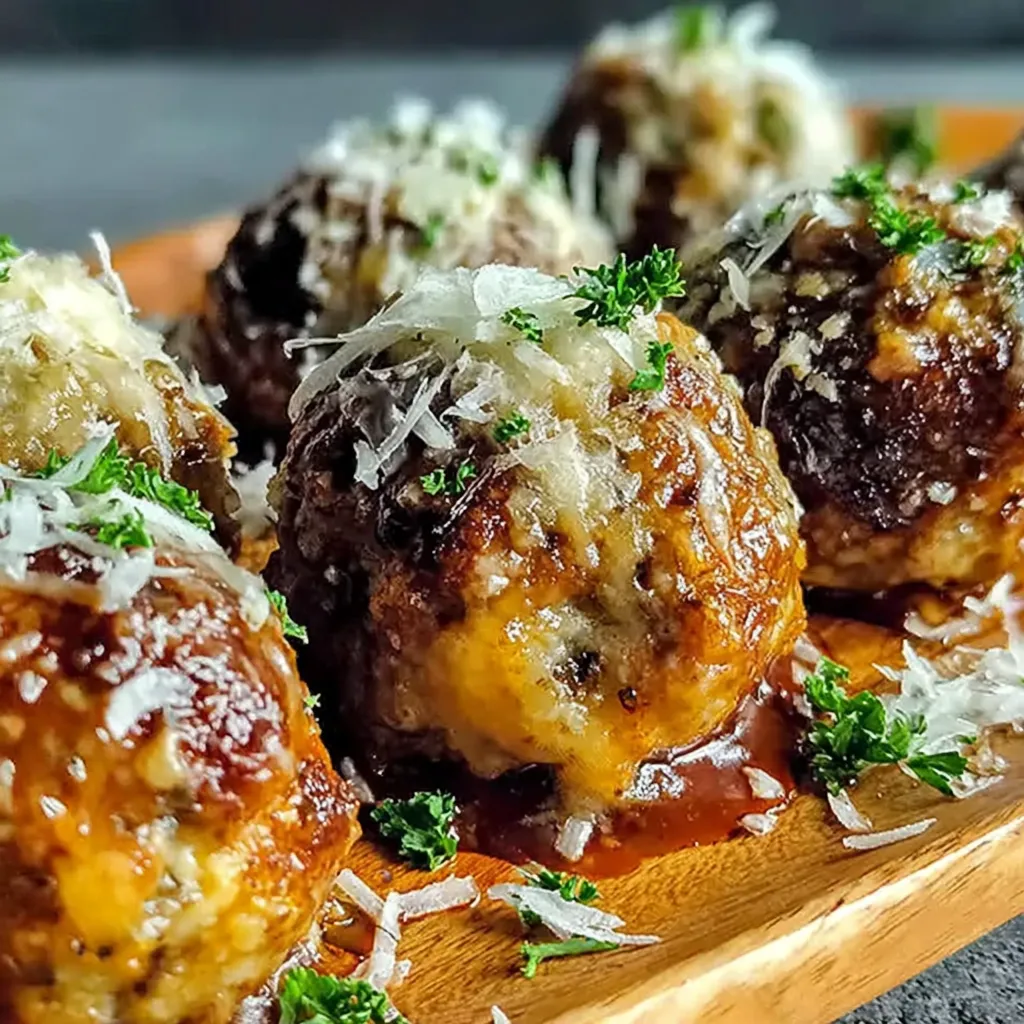
Tender, herb-laced meatballs baked to juicy perfection with Parmesan and garlic. Perfect over spaghetti, tucked into subs, or served with favorite dips.
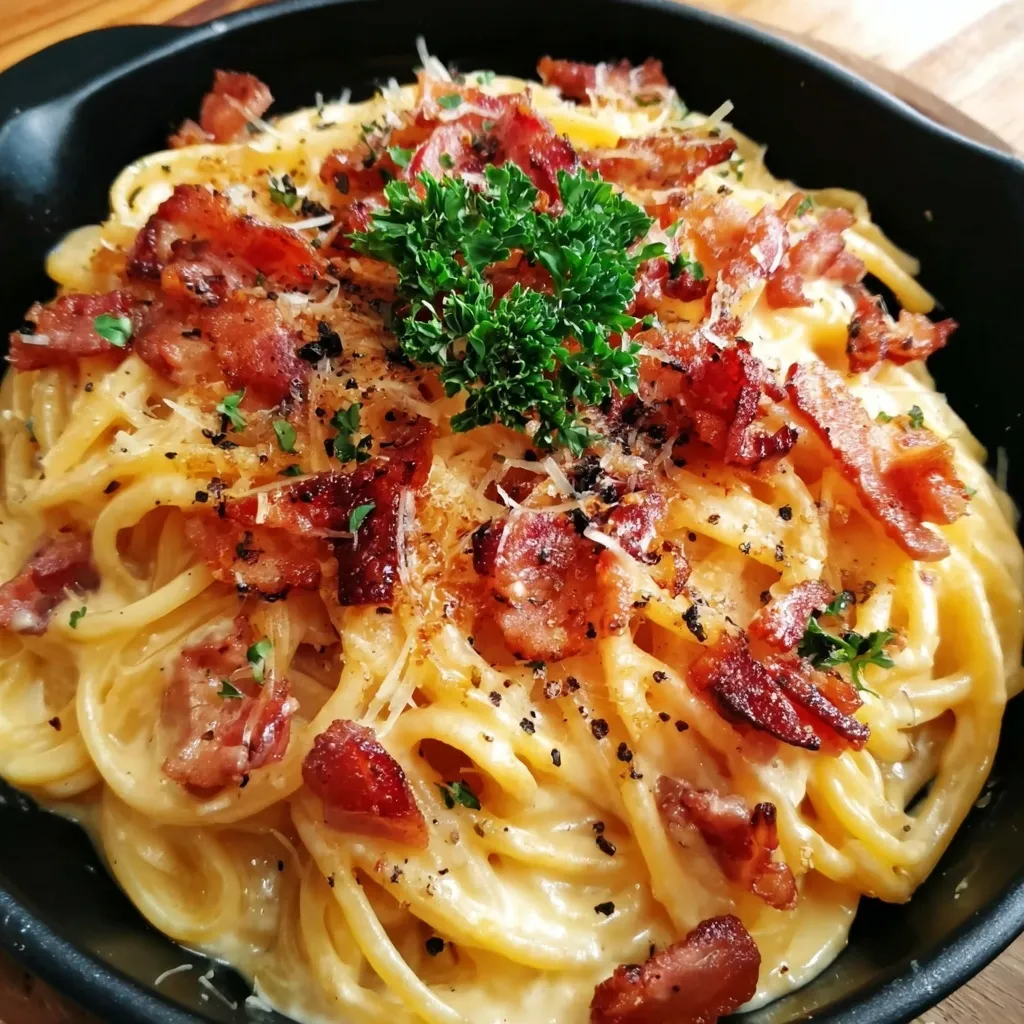
Creamy, silky carbonara with smoky bacon, peppery bite, and perfectly coated spaghetti. Ready in 25 minutes for a comforting, crowd-pleasing dinner.

A rich, silky garlic pasta made in one pan with milk and Parmesan for a fast, comforting dinner that is ready in about 20 minutes.
Leave a comment & rating below or tag @whiskia on social media!
Enjoyed this recipe? Share it with friends and family, and don't forget to leave a review!
This recipe looks amazing! Can't wait to try it.
Comments are stored locally in your browser. Server comments are displayed alongside your local comments.

Join to receive our email series which contains a round-up of some of our quick and easy family favorite recipes.