>>

Tender, caramelized cabbage wedges simmered in a creamy garlic-Parmesan sauce—an effortless, cozy side that melts in your mouth and steals the show.
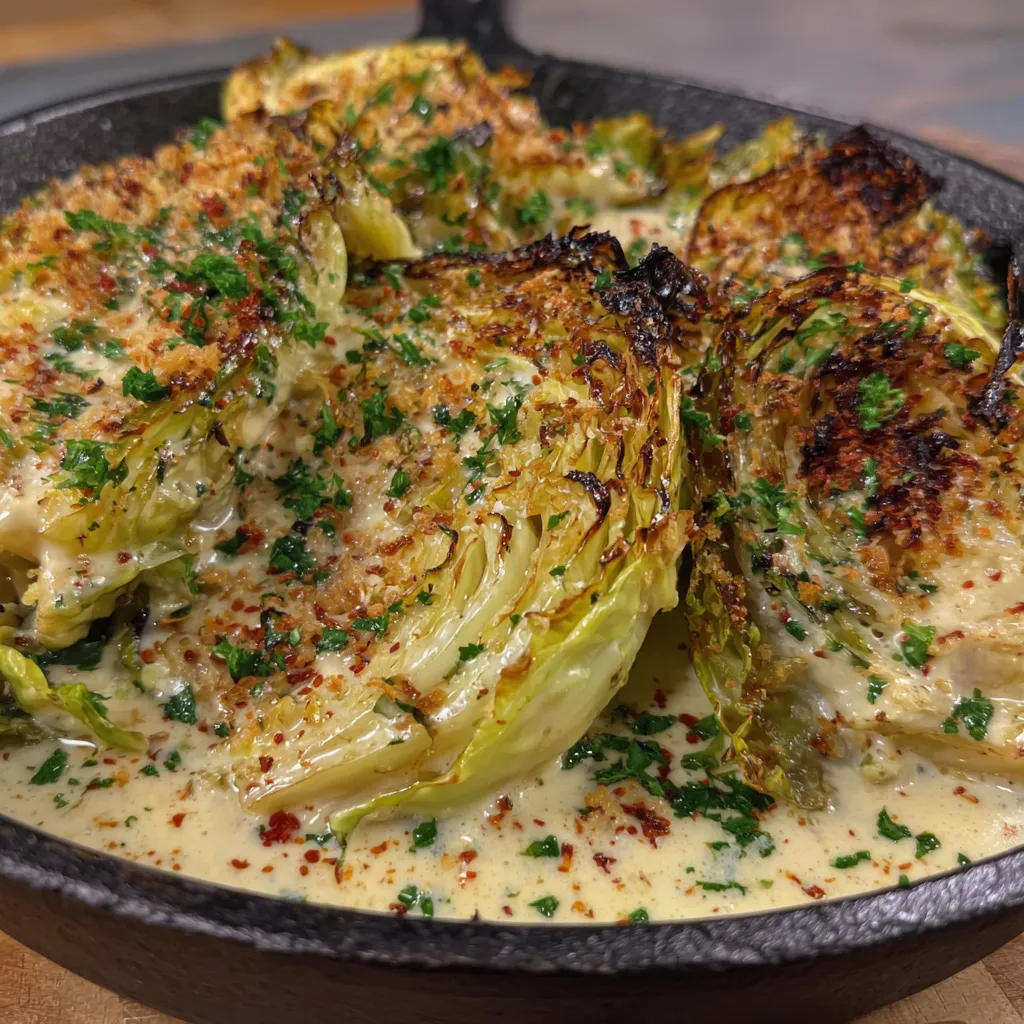
This Garlic Parm Melting Cabbage has quietly become a household favorite whenever I want something comforting, simple, and a little bit indulgent without hauling out heavy ingredients. I first developed this method one chilly weeknight when I had a head of cabbage to use and only pantry staples and a little cream cheese and Parmesan on hand. The result was unexpectedly decadent: cabbage that sears like a steak and then braises down until the leaves are silky and almost melting, wrapped in a garlicky, cheesy sauce that clings to every bite. From the first forkful I knew this would be requested again and again.
What makes this dish special is the contrast between the lightly charred cut surfaces and the soft inner leaves that absorb the Parmesan-forward sauce. It’s hearty enough to satisfy at the dinner table yet simple enough to pair as a standout side for roasted chicken, pork chops, or a vegetarian grain bowl. I often serve it when friends come over because it looks impressive on the plate—thick wedges with glossy sauce—and it’s forgiving to cook: a quick sear, a short sauce build, and a slow oven finish do most of the work.
In my family this always sparks conversation. My partner loves the Parmesan crisp that forms on the exposed leaves; my sister asks for extra sauce to drizzle over roasted potatoes. I’ve learned small tricks—like keeping the cabbage core intact so wedges hold together and using an oven-safe skillet for a seamless transfer—that make this reliable every time.
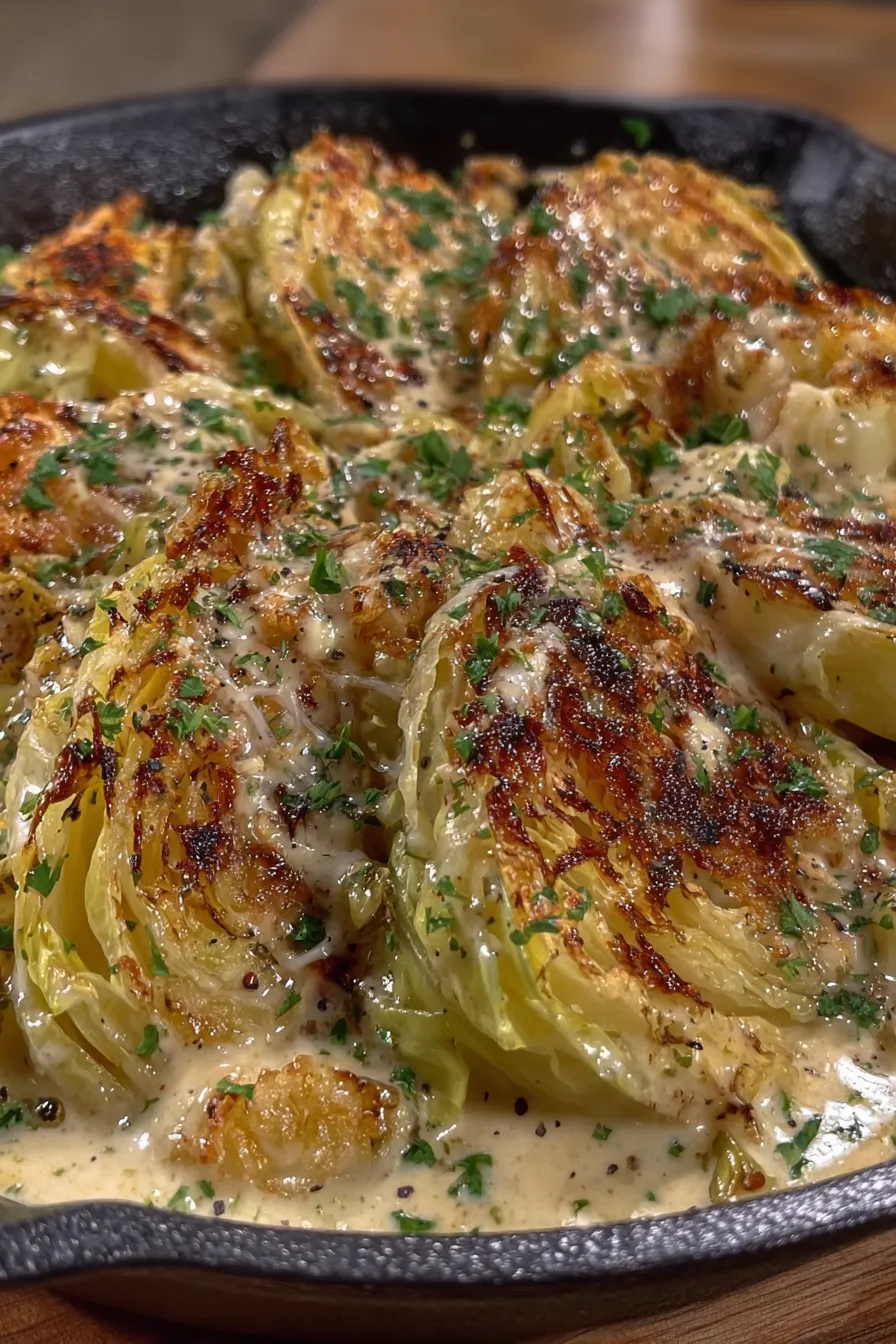
My favorite part is watching skeptical guests try it and then quietly go back for seconds; the combination of crisped edges and melting inner leaves feels luxurious without being heavy. Family potlucks have turned this into a repeat request—people always ask whether there’s a secret ingredient, but it’s really technique: a quick, hot sear and a gentle braise in a glossy cheese sauce.
Cool leftovers to room temperature no longer than two hours before refrigerating. Store in an airtight container for up to 4 days—reheat gently in a skillet over low heat so the sauce loosens without boiling, or bake at 300°F for 10–15 minutes until warmed through. For freezing, portion into shallow freezer-safe containers, label with the date and keep for up to 3 months. Thaw overnight in the refrigerator and reheat slowly to maintain texture. Avoid microwaving at high power; it can make the cabbage mushy.
If you prefer a lighter version, replace half the cream cheese with plain Greek yogurt stirred in off heat—this keeps the tang while cutting richness. Parmesan may be swapped for Pecorino Romano for saltier, sharper flavor (reduce added salt). To make a vegan version, use plant-based cream cheese and a savory vegan Parmesan, and substitute vegetable broth. If you want more umami, stir in a teaspoon of soy sauce or tamari with the broth—use low sodium and omit extra salt if you do.
This pairs beautifully with roasted or pan-seared proteins—pork chops or a lemon-herb chicken contrast the rich sauce with bright notes. For a vegetarian plate, serve alongside buttery mashed potatoes, a warm grain pilaf, or tucked into bowls with farro and roasted mushrooms. Garnish with extra Parmesan shards and chopped parsley for color. For a casual spread, offer lemon wedges and extra crushed red pepper so guests can brighten or heat their portions.
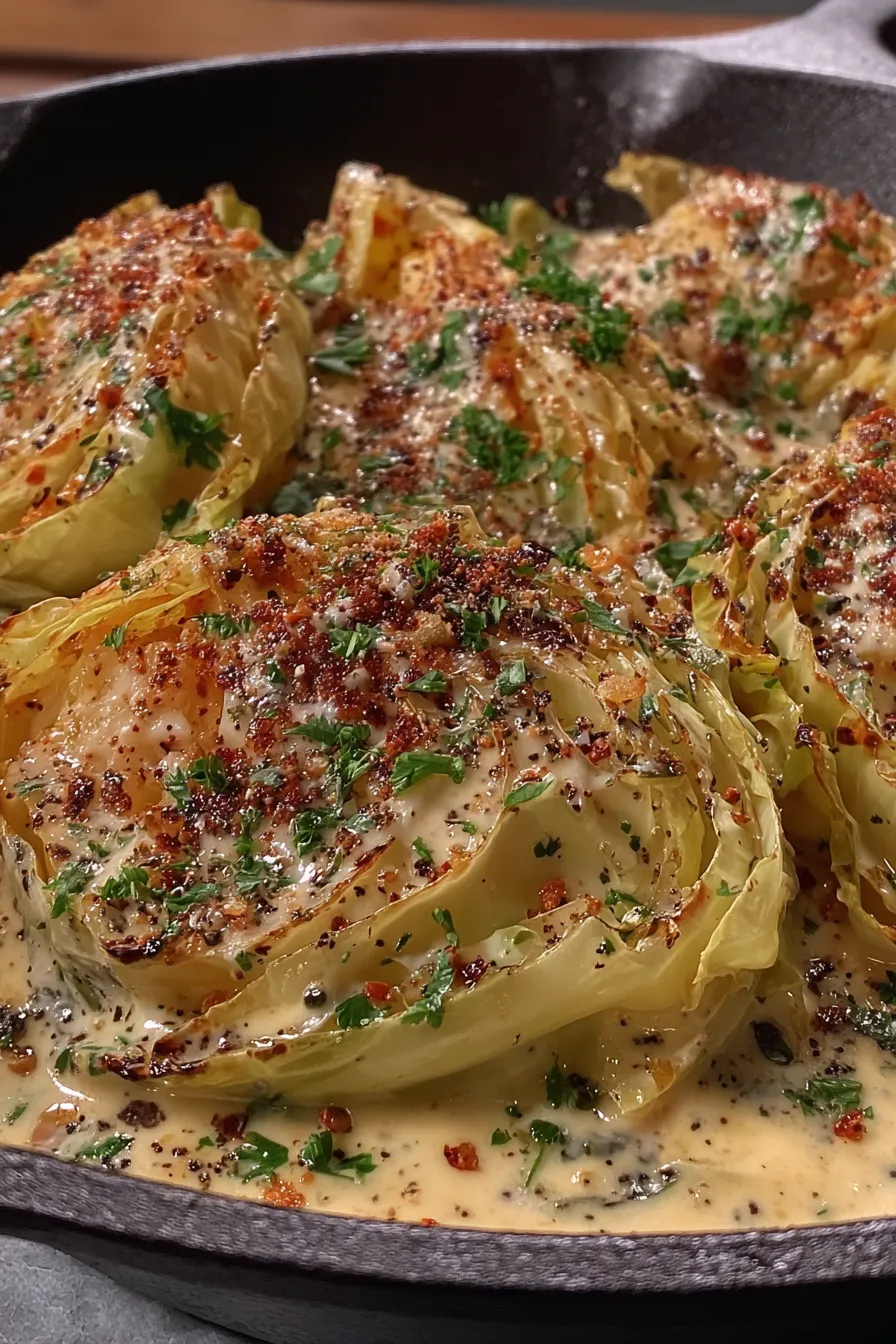
Cabbage has been a humble staple across many cuisines for centuries, prized for its versatility and storage longevity. This preparation leans into European comfort-food traditions—using dairy and aromatic herbs to elevate a simple brassica into a centerpiece. Searing then braising mirrors techniques seen in French and Italian home cooking where caramelization followed by gentle cooking builds deep flavor from inexpensive ingredients. Tossing in Parmesan nods to Italian influences, while crushed red pepper and garlic recall broader Mediterranean seasoning.
In spring, add a handful of fresh peas or thinly sliced radishes just before serving for brightness. In autumn and winter, swap parsley for thyme and fold in roasted diced apples or pancetta with the onions for a seasonal, savory-sweet take. For summer, finish with a squeeze of lemon juice and a scattering of fresh basil to make the dish feel lighter and more vibrant.
Prep the aromatics and the sauce the day before: sauté the onions and garlic, incorporate cream cheese and broth, then chill. On the day you plan to serve, sear the cabbage and combine with the chilled sauce in the skillet before baking—this shortens active time and keeps finished textures consistent. Store individual portions in shallow containers for grab-and-go lunches; reheat gently in a skillet over low heat and add a splash of broth if the sauce tightens.
This Garlic Parm Melting Cabbage is one of those dishes that turns simple pantry and refrigerator staples into something memorable. It’s forgiving, adaptable, and reliably delicious—give it a try and make it your own with the variations suggested above.
Pat the cabbage wedges dry before searing to achieve a deep caramelized crust.
Use freshly grated Parmesan for better melting and more vibrant flavor.
Allow the skillet to rest a few minutes after baking so the sauce thickens and clings to the cabbage.
If the sauce gets too thick while reheating, thin with a splash of broth or water.
This nourishing garlic parm melting cabbage recipe is sure to be a staple in your kitchen. Enjoy every moist, high protein slice — it is perfect for breakfast or as a wholesome snack any time.
This Garlic Parm Melting Cabbage recipe makes perfectly juicy, tender, and flavorful steak every time! Serve with potatoes and a side salad for an unforgettable dinner in under 30 minutes.
Preheat oven to 350°F. Trim loose outer leaves and cut the cabbage into thick wedges, keeping the core intact to hold each wedge together. Pat the wedges dry to ensure a good sear.
Heat an oven-safe skillet over medium-high heat with 2–3 tablespoons olive oil. Sear each cabbage wedge cut-side down for 2–3 minutes per side until well browned. Remove and season with salt and black pepper.
Add remaining oil if needed, then sauté the sliced onion until softened and starting to brown, about 5–6 minutes. Add minced garlic, Italian seasoning, and crushed red pepper and cook until fragrant, about 30–60 seconds.
Reduce heat to medium, stir in the softened cream cheese until smooth, then pour in the chicken broth, scraping up any browned bits from the pan and bringing the mixture to a gentle simmer.
Whisk cornstarch and water to form a slurry and stir into the skillet. Simmer until slightly thickened, then add half of the grated Parmesan and stir until fully melted and silky.
Nestle the seared wedges back into the skillet and spoon sauce over them. Transfer the skillet to the oven and bake for approximately 50 minutes, turning the cabbage halfway, until very tender.
Remove from the oven and let rest briefly. Sprinkle remaining Parmesan over the top and garnish with chopped parsley before serving.
Last Step: Please leave a rating and comment letting us know how you liked this recipe! This helps our business to thrive and continue providing free, high-quality recipes for you.
Leave a comment & rating below or tag
@whiskia on social media!
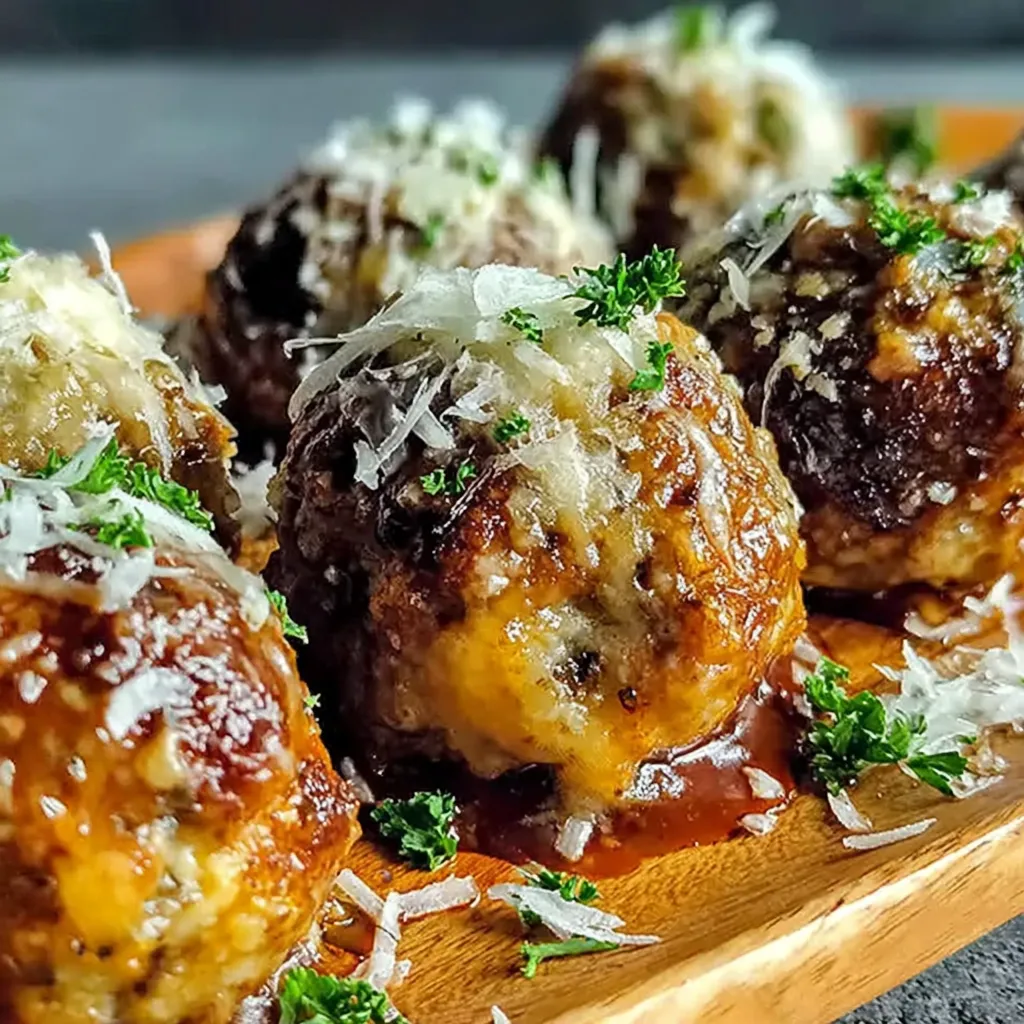
Tender, herb-laced meatballs baked to juicy perfection with Parmesan and garlic. Perfect over spaghetti, tucked into subs, or served with favorite dips.
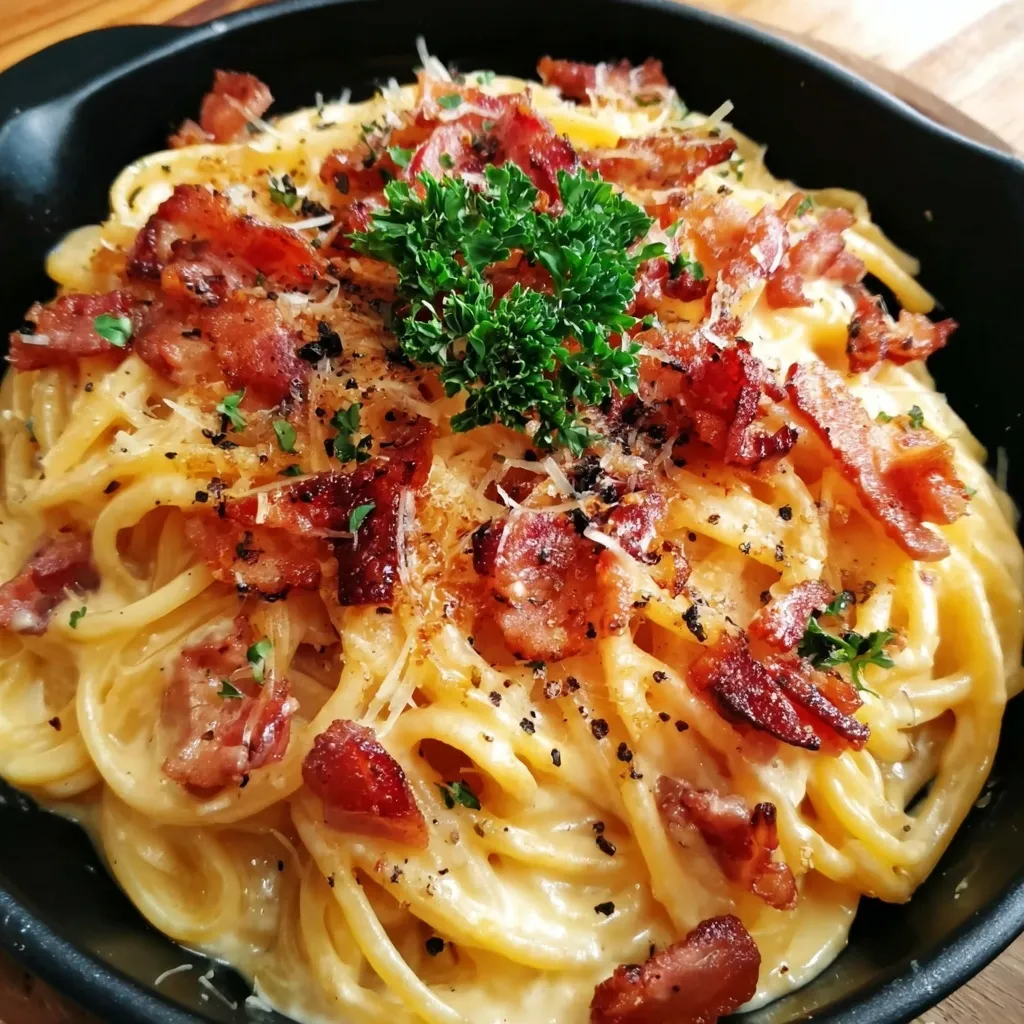
Creamy, silky carbonara with smoky bacon, peppery bite, and perfectly coated spaghetti. Ready in 25 minutes for a comforting, crowd-pleasing dinner.

A rich, silky garlic pasta made in one pan with milk and Parmesan for a fast, comforting dinner that is ready in about 20 minutes.
Leave a comment & rating below or tag @whiskia on social media!
Enjoyed this recipe? Share it with friends and family, and don't forget to leave a review!
This recipe looks amazing! Can't wait to try it.
Comments are stored locally in your browser. Server comments are displayed alongside your local comments.

Join to receive our email series which contains a round-up of some of our quick and easy family favorite recipes.