>>

A simple, hands-on loaf with a crisp crust and tender crumb that channels the best of rustic Italian baking. Perfect for sandwiches, soups, and sharing.
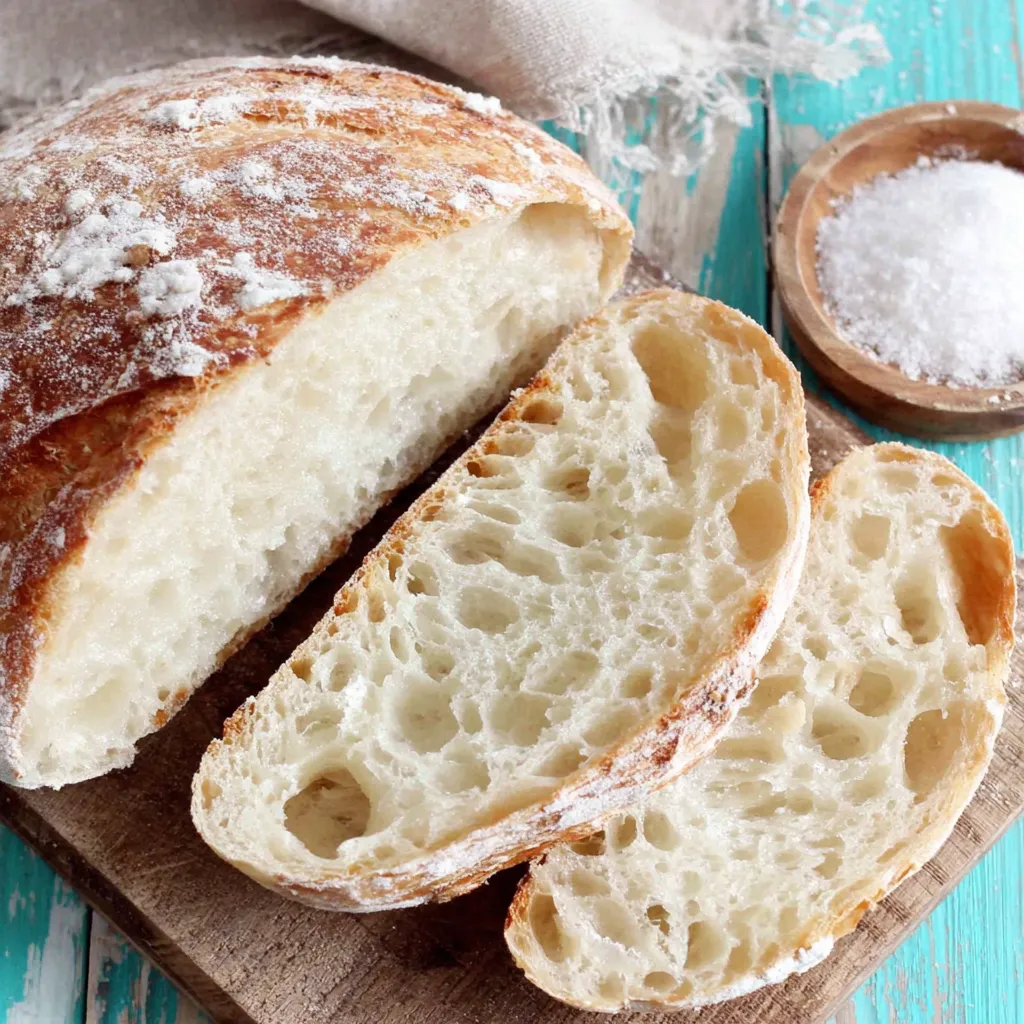
This rustic Italian crusty bread is the sort of everyday bake that became a ritual in my kitchen. I first learned this approach on a rainy afternoon when I wanted a loaf with real structure and flavor but without complicated techniques. The result was an honest, golden crust with an open, slightly chewy crumb that made even the simplest olive oil and salt feel celebratory. Since then I make it whenever a weekend lingers and guests drop by unexpectedly.
The loaf balances a delicate crust and a resilient interior. The crust develops a satisfying crackle while the interior remains soft enough to tear by hand. The method uses a brief rise and straightforward shaping so you can enjoy fresh-baked bread without a long professional timetable. I love how the aroma fills the house, prompting family members to gather and taste while it cools on the rack.
I learned small tricks while making the loaf with friends. Letting the yeast foam gives a quick confidence check, and a gentle stretch and fold helps develop strength without long kneading. Family members always comment on the crispness of the crust and how the crumb soaks up soup and olive oil. It has become our small celebration bread for casual gatherings.
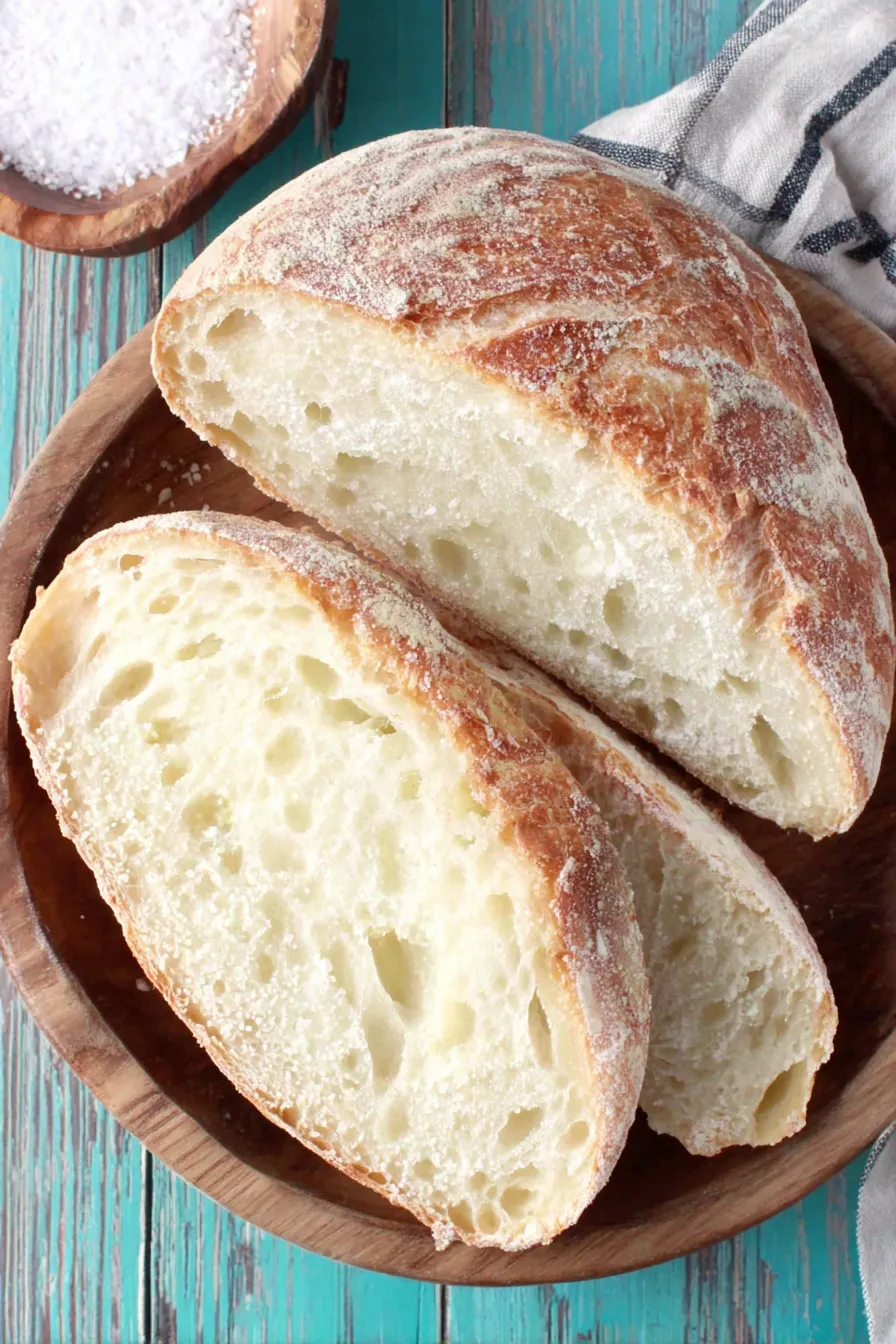
My favorite part is the ritual of shaping and scoring. Scoring not only looks artisanal but controls how the loaf expands. Family members often judge my success by the crackle of the crust and how the slices soak up olive oil and vinegar. This bread has been present at casual dinners and small celebrations when a simple loaf felt like something special.
Store the loaf at room temperature for up to two days wrapped in a clean cotton bag or a large paper bag to retain crust while preventing condensation. For longer storage, cool fully then slice and freeze in an airtight bag for up to three months. To refresh, reheat whole loaf in a 350 degree Fahrenheit oven for 10 minutes wrapped in foil or toast individual slices straight from frozen. Avoid refrigerating as it accelerates staling.
If you prefer a softer crumb, use all-purpose flour instead of bread flour. For a heartier flavor, replace up to one cup of white flour with whole wheat flour, but expect a denser crumb and shorter rise. Substitute olive oil with melted unsalted butter for a richer flavor profile. For a no-sugar option, omit the teaspoon of sugar; the yeast will still activate more slowly, so allow a little extra time for proofing.
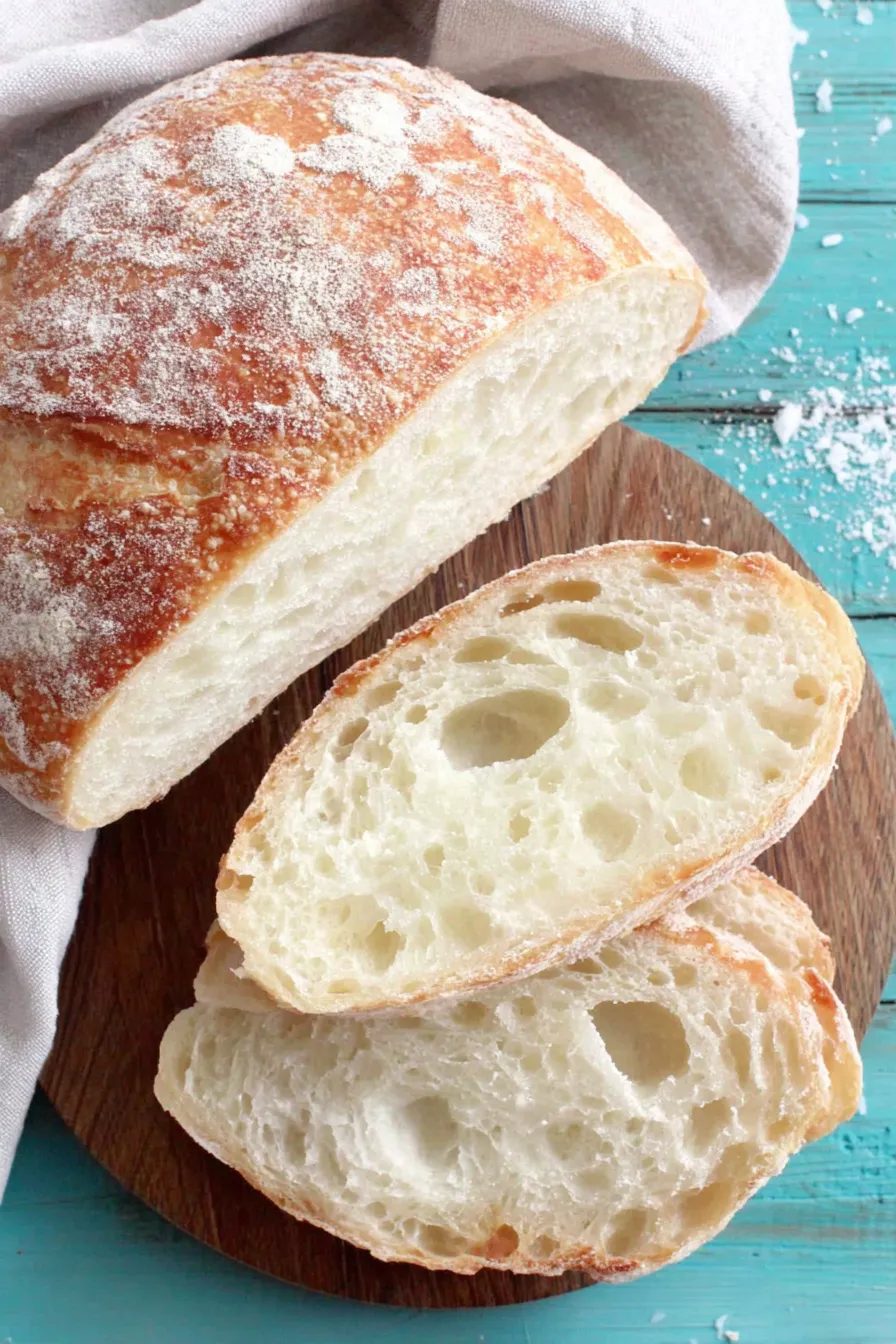
Serve warm slices with extra virgin olive oil and flaky sea salt, or alongside a bowl of tomato soup for dipping. This loaf pairs beautifully with antipasti such as marinated olives, thinly sliced prosciutto, and roasted peppers. For breakfast, toast and top with ricotta, honey, and lemon zest. The batard shape makes even sandwiches feel artisanal.
This style echoes the simple country breads of Italy where loaves were baked daily in communal ovens and served with local olive oil and cheese. Unlike enriched breads, rustic versions emphasize flour, water, salt, and time. Regional variations across Italy include different shaping and hydration levels, but the focus remains on texture and utility rather than ornate flavoring.
In autumn, fold in a tablespoon of roasted garlic paste for a warming note. For summer, add chopped fresh rosemary to the dough before the second rise to pair with fresh tomatoes and basil. Around the holidays, swap half the oil for browned butter and sprinkle the top with coarse salt and a touch of cracked black pepper for a savory, festive loaf.
Prepare dough the night before and let it rise slowly in the refrigerator overnight for deeper flavor. In the morning, shape, allow a short bench rest for the second rise, then bake. Slice and portion into freezer bags for quick weekday breakfasts and lunches. Use a shallow container with vented lid for short term storage to preserve crust texture.
Fresh-baked bread invites sharing and small rituals. Whether you make this loaf once a month or every weekend, the simple steps produce a reliable, comforting result that elevates every meal. Enjoy the process as much as the tasting.
Check water temperature with your wrist or a thermometer to keep it around 110 degrees Fahrenheit when proofing yeast.
Use a bench scraper to help shape the batard cleanly and prevent over-flouring the work surface.
Score the loaf with a sharp blade to control expansion and create an attractive crust pattern.
Allow the loaf to cool fully before slicing to ensure the crumb sets and texture is optimal.
This nourishing rustic italian crusty bread recipe is sure to be a staple in your kitchen. Enjoy every moist, high protein slice — it is perfect for breakfast or as a wholesome snack any time.
If the yeast does not foam, your water may be too hot or the yeast may be inactive. Try again with fresh yeast and cooler water around 110 degrees Fahrenheit.
Cool the loaf completely on a rack before slicing. Cutting too early will make the crumb gummy as steam is still trapped inside.
This Rustic Italian Crusty Bread recipe makes perfectly juicy, tender, and flavorful steak every time! Serve with potatoes and a side salad for an unforgettable dinner in under 30 minutes.
In a large bowl or stand mixer bowl, combine 2 1/4 teaspoons active dry yeast, 1 teaspoon granulated sugar, and 1 cup warm water at 110 degrees Fahrenheit. Let sit 5 to 10 minutes until foamy.
Add 2 cups of flour, 2 tablespoons olive oil, and 1 teaspoon salt to the foamy yeast. Stir to form a shaggy dough or mix on low with a dough hook.
Knead by hand on a lightly floured surface about 10 minutes, adding remaining flour as needed, or knead in a stand mixer 5 minutes on medium until smooth and elastic.
Shape into a ball, place in an oiled bowl and turn to coat. Cover and let rise about 1 hour until doubled in size.
Preheat oven to 400 degrees Fahrenheit. Punch down dough and shape into a 12 inch batard. Place on prepared baking sheet, cover, and let rise 20 to 30 minutes until puffy.
Make a few 1/4 inch slits in the surface with a lame or sharp knife. Bake 20 to 25 minutes until golden and hollow sounding. Cool completely on a rack before slicing.
Last Step: Please leave a rating and comment letting us know how you liked this recipe! This helps our business to thrive and continue providing free, high-quality recipes for you.
Leave a comment & rating below or tag
@whiskia on social media!

Tender, herb-laced meatballs baked to juicy perfection with Parmesan and garlic. Perfect over spaghetti, tucked into subs, or served with favorite dips.
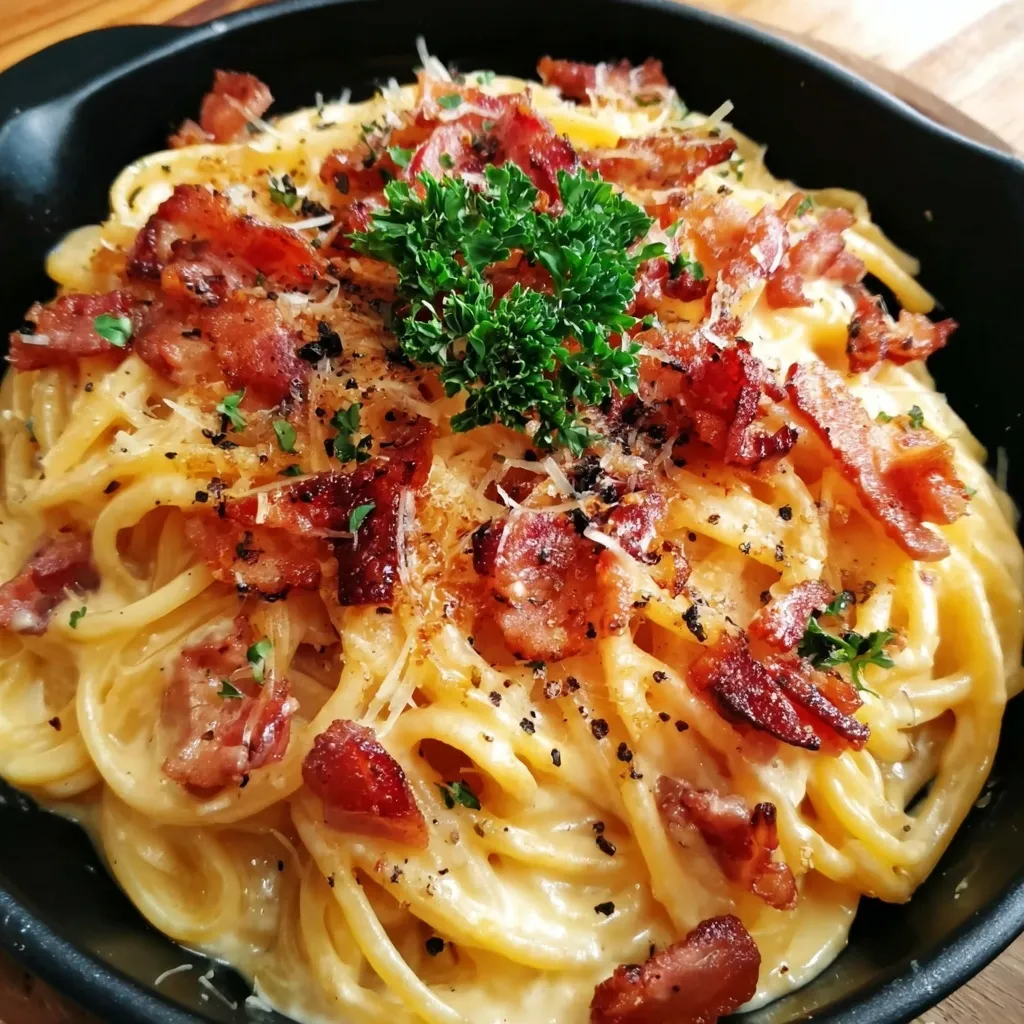
Creamy, silky carbonara with smoky bacon, peppery bite, and perfectly coated spaghetti. Ready in 25 minutes for a comforting, crowd-pleasing dinner.

A rich, silky garlic pasta made in one pan with milk and Parmesan for a fast, comforting dinner that is ready in about 20 minutes.
Leave a comment & rating below or tag @whiskia on social media!
Enjoyed this recipe? Share it with friends and family, and don't forget to leave a review!
This recipe looks amazing! Can't wait to try it.
Comments are stored locally in your browser. Server comments are displayed alongside your local comments.

Join to receive our email series which contains a round-up of some of our quick and easy family favorite recipes.